



 Christmas


✨ Build your dream setup!
Solid Color Backdrops for Portrait & Studio Photography

Save 33%




















Save 33%






Save 27%



Save 27%


Save 27%




Save 27%










Save 9%
Save 9%
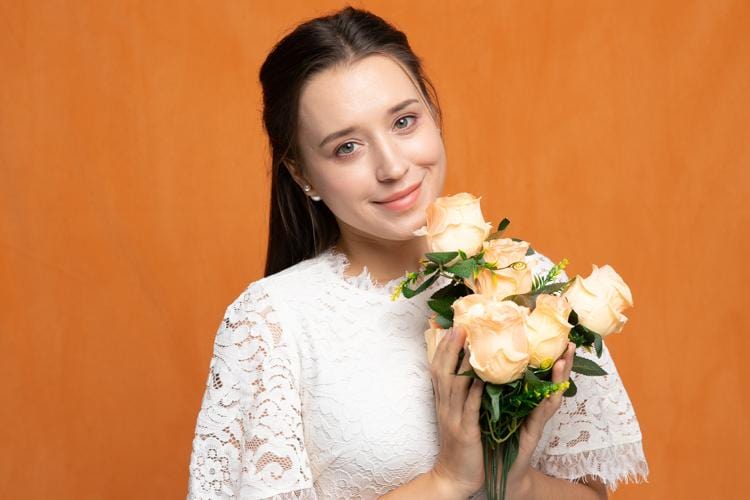
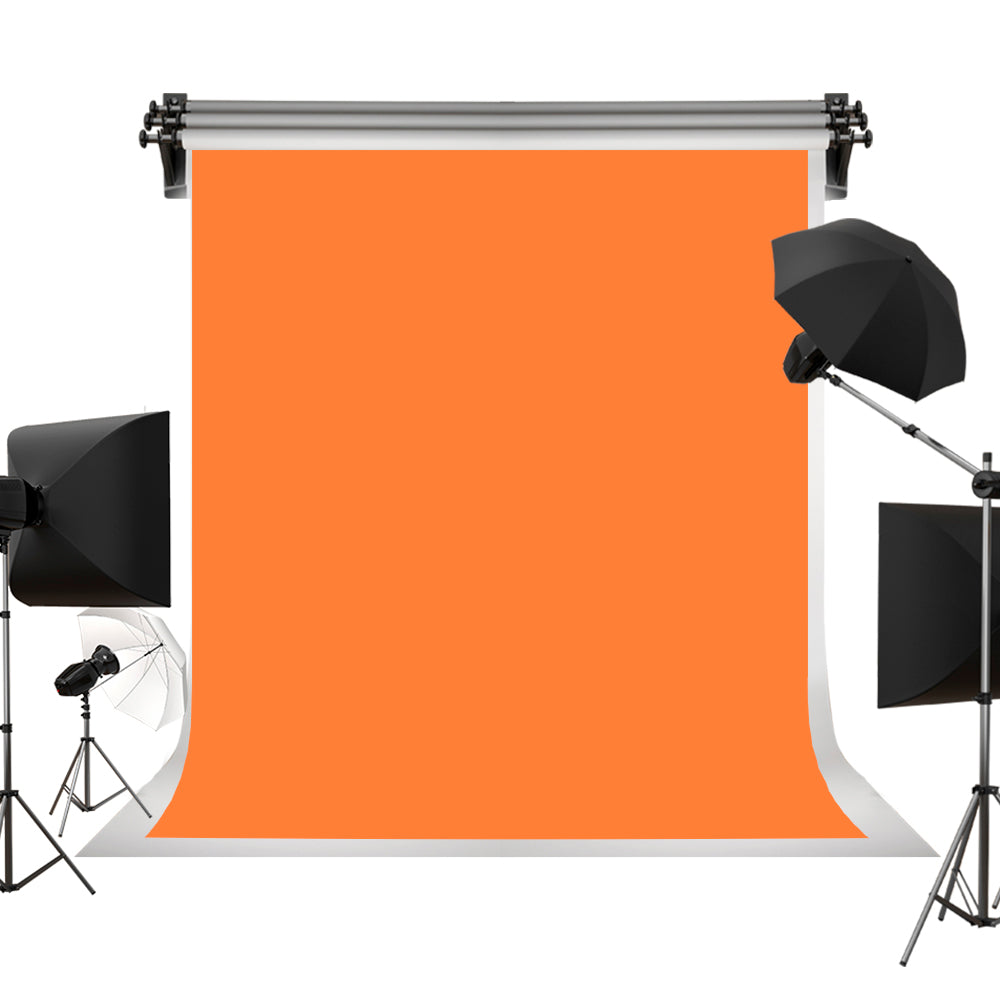
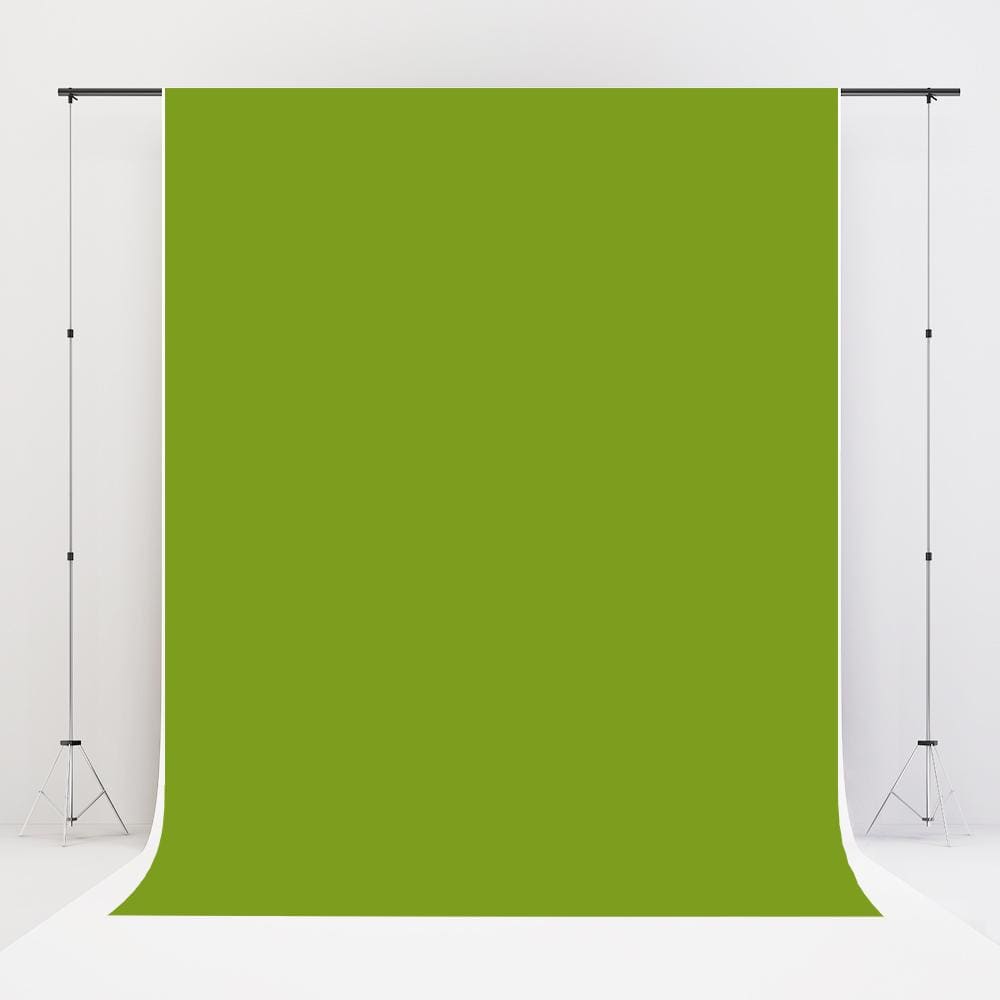


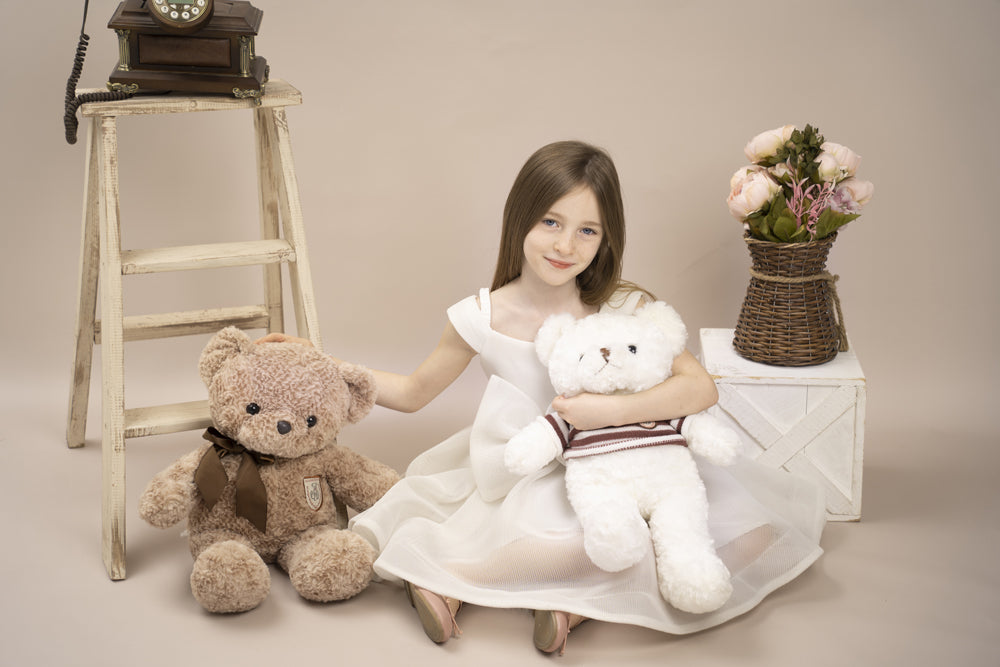


Save 51%


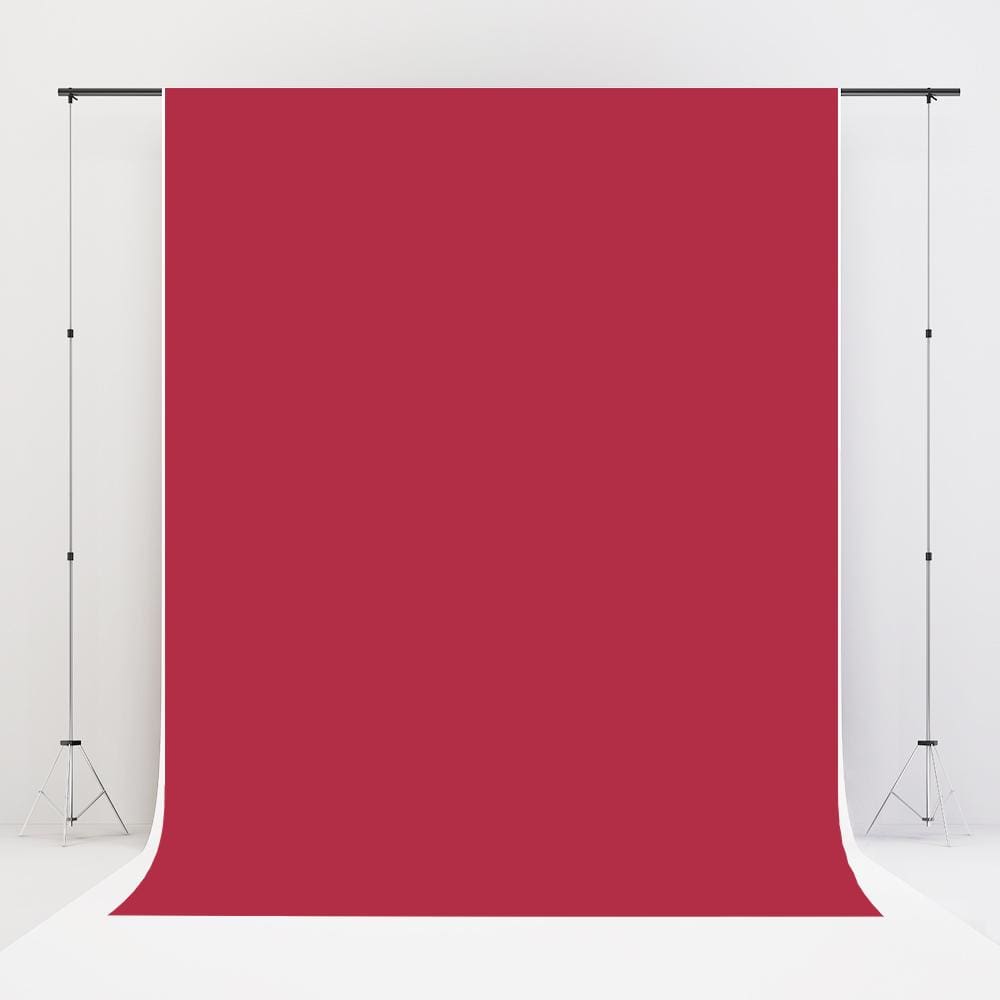

Solid Color Backdrops for Portrait & Studio Photography
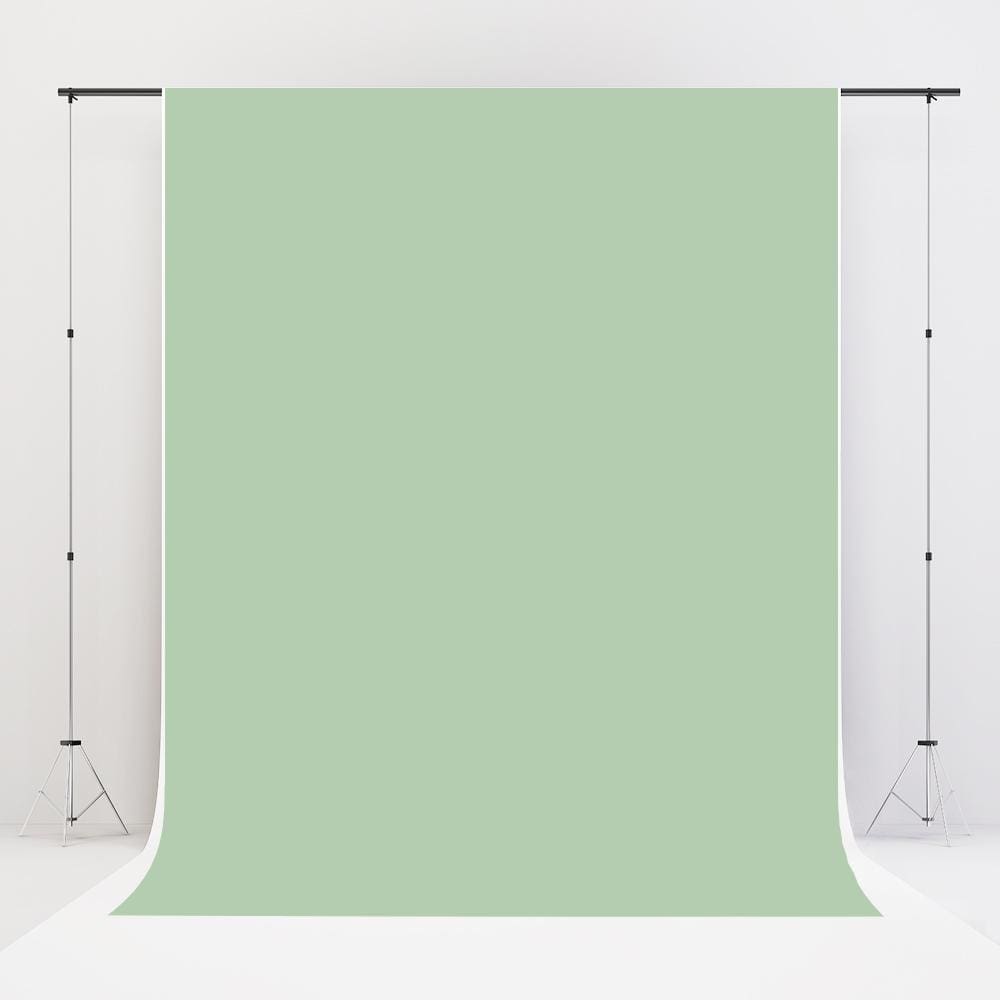
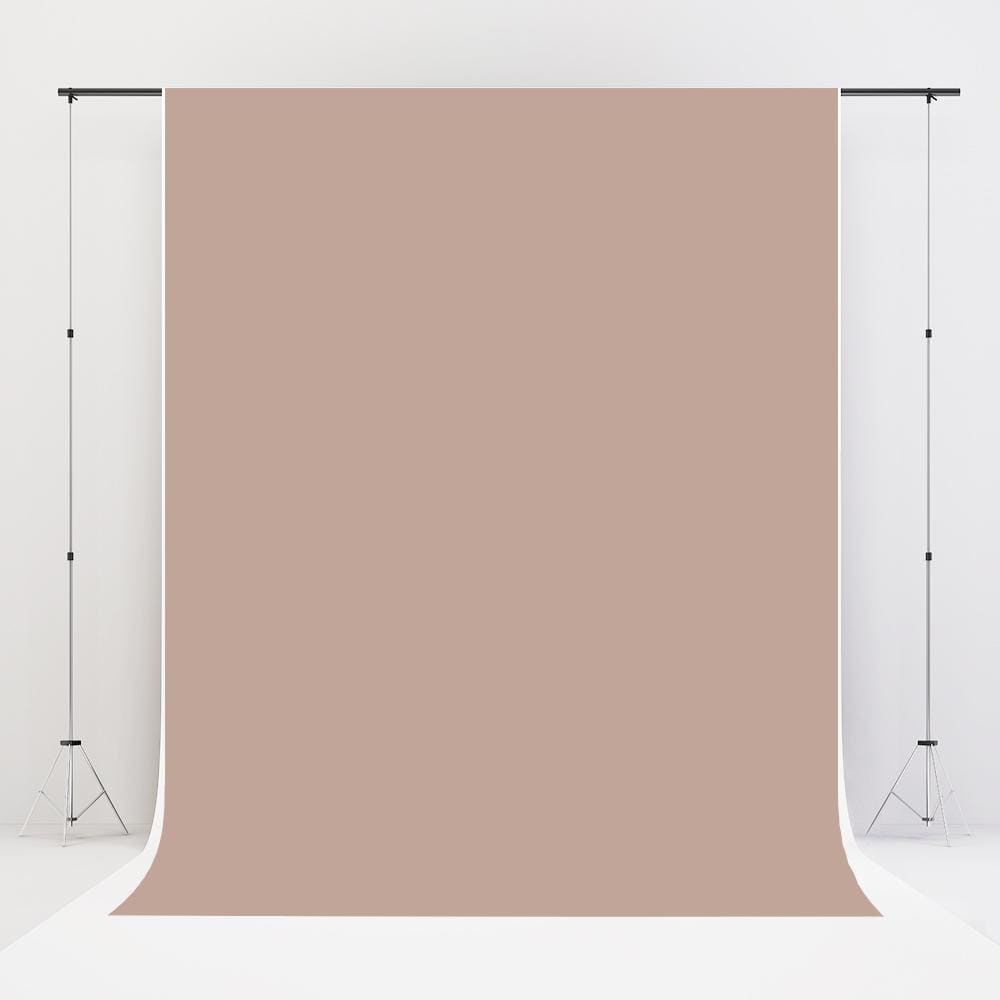
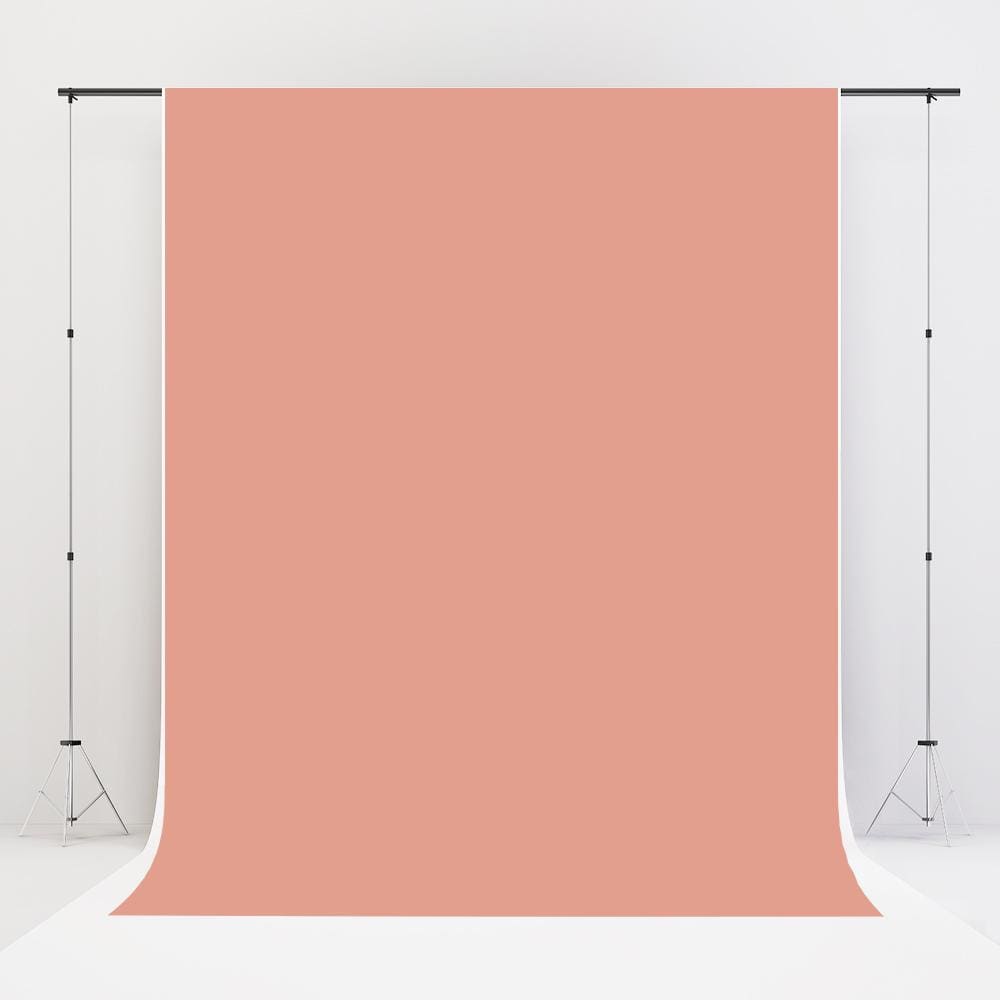
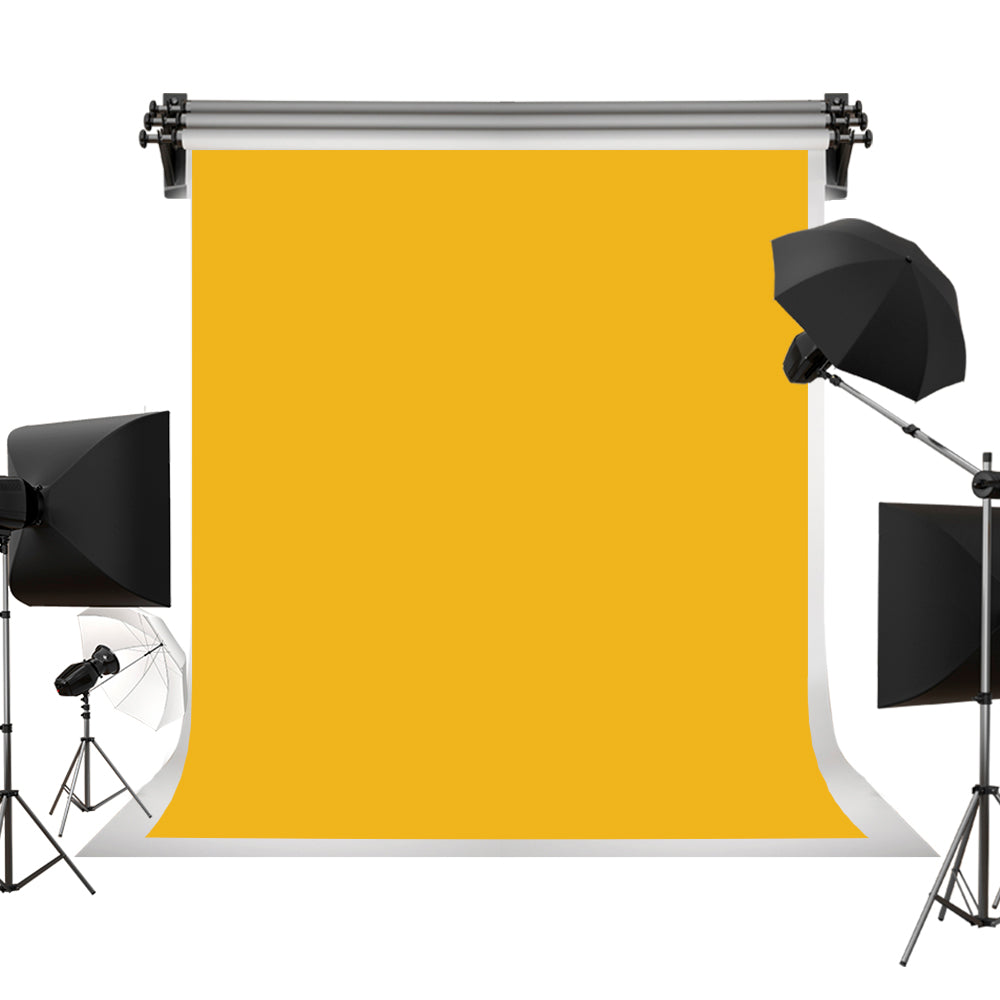
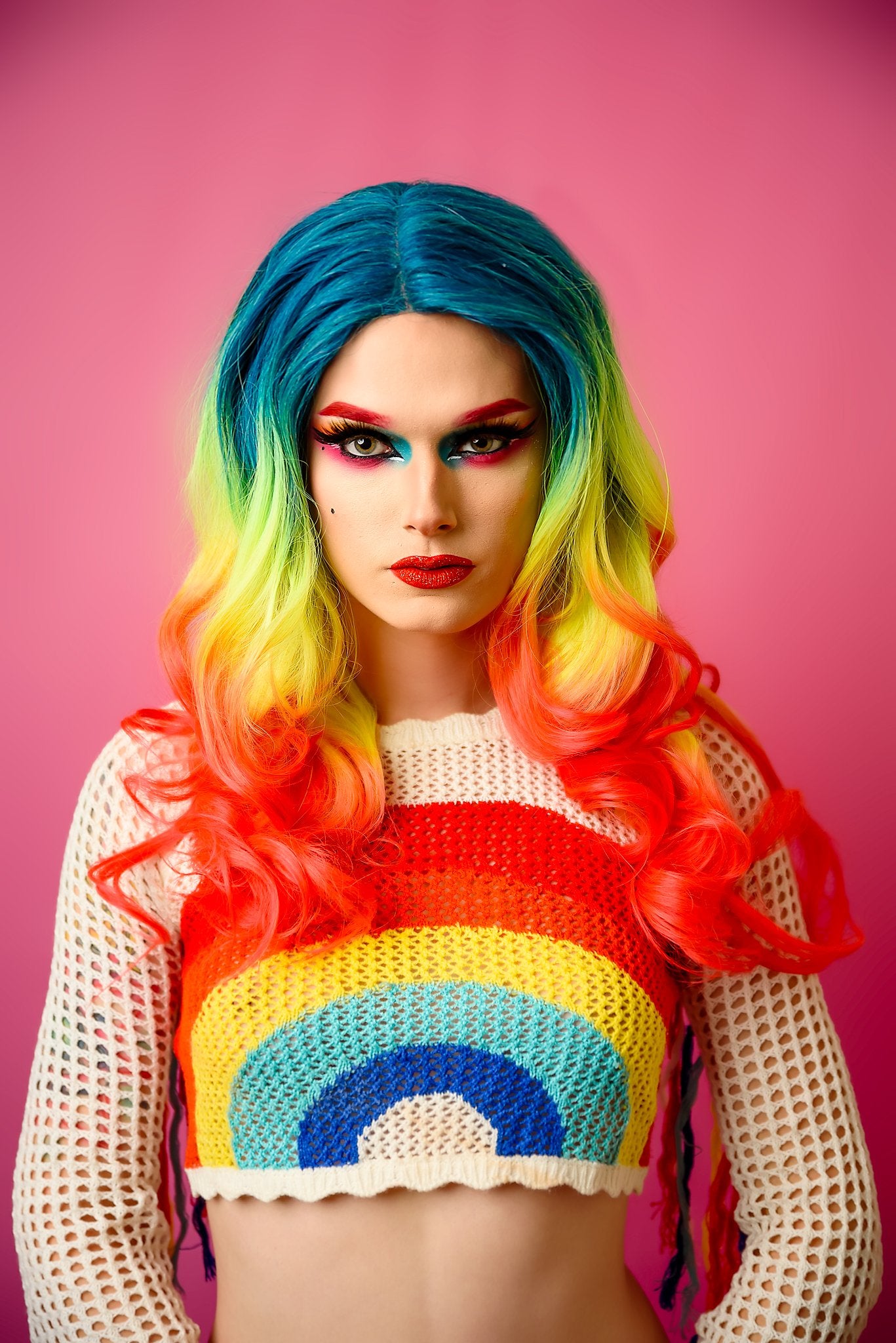
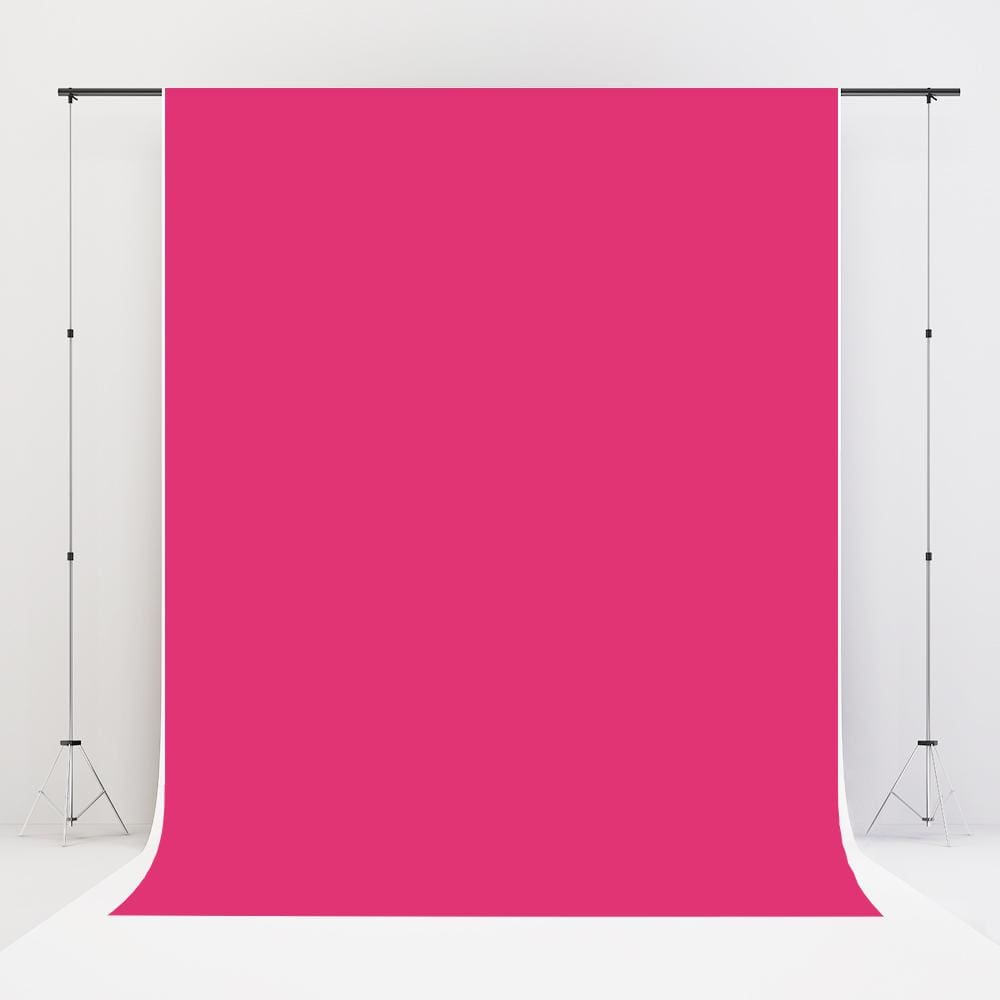
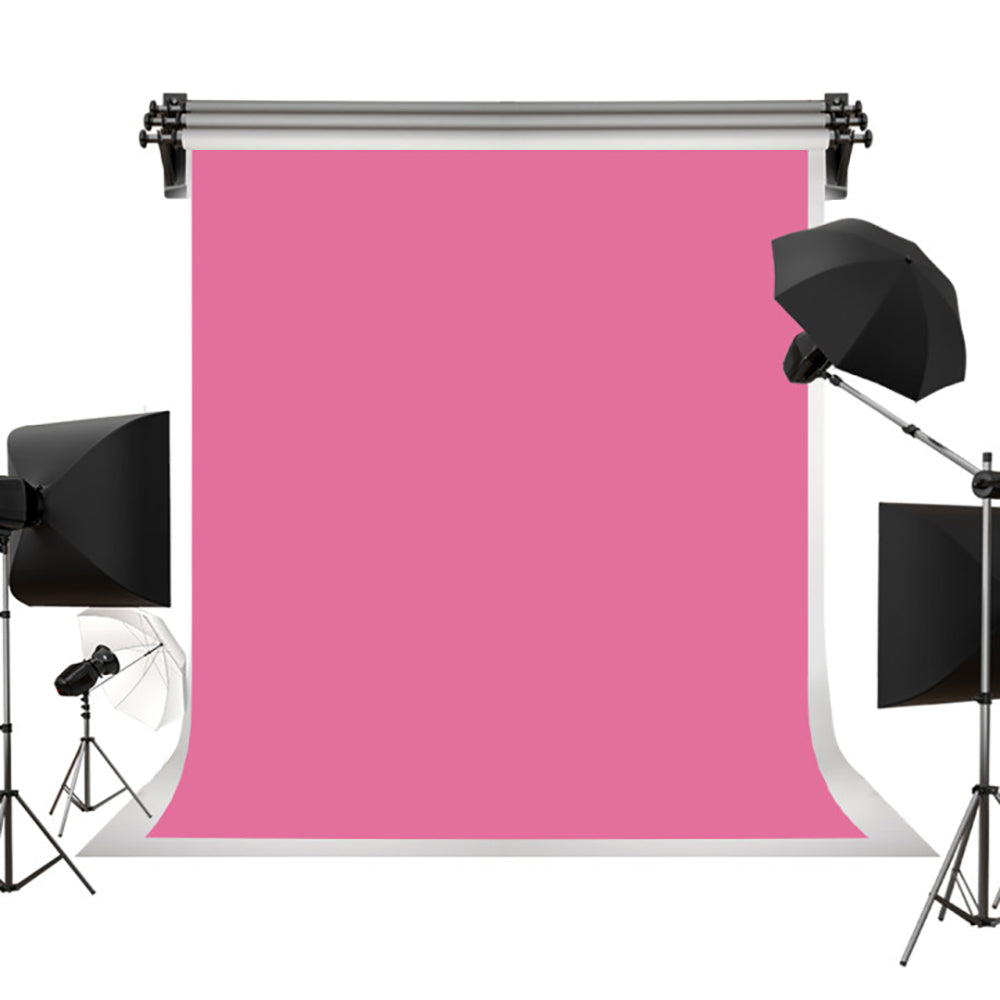
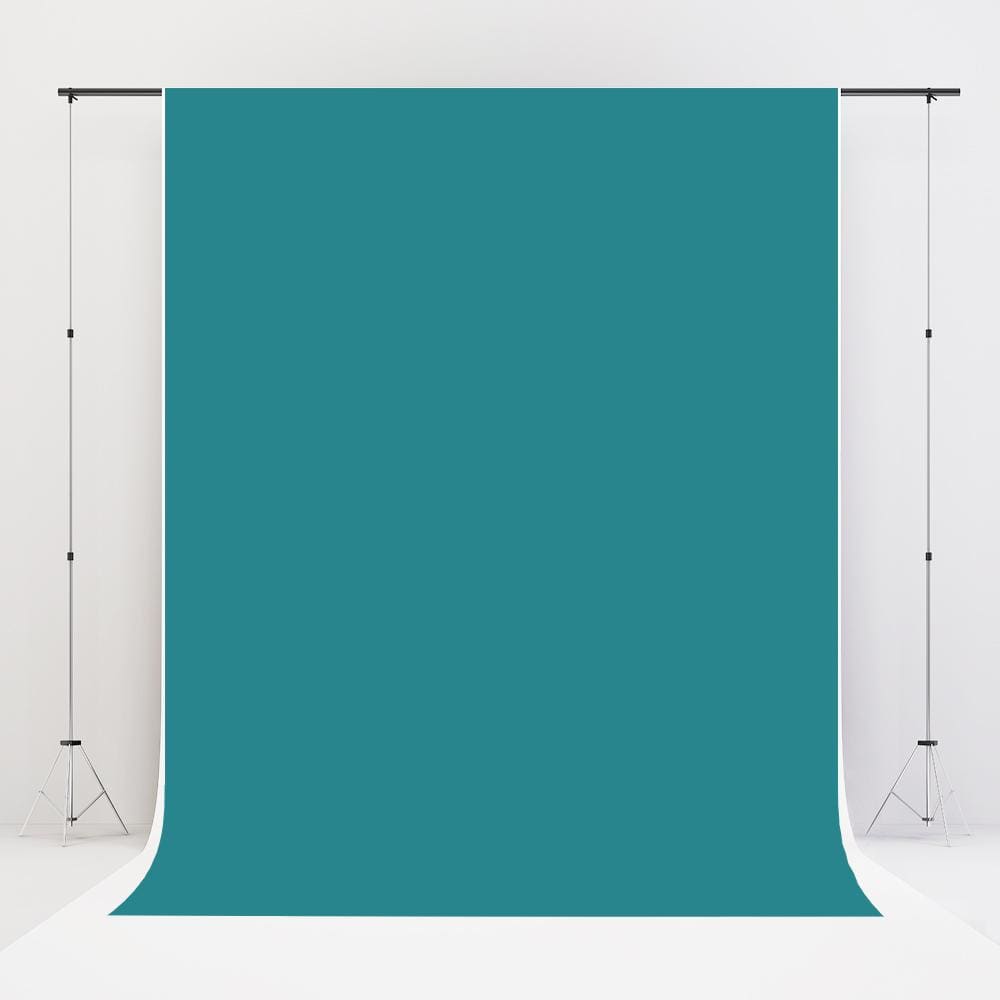
A solid color backdrop puts the subject first — no competing patterns, no seasonal associations, and no backdrop-specific styling requirements that limit how images can be delivered or used. Kate's solid color collection covers the full tonal range photographers reach for across portrait, headshot, and studio work: neutral creams and whites for clean high-key setups, deep blacks and charcoal greys with hand-painted texture for dramatic fine art looks, and accent colors including blush pink, sage green tones, and dusty blue for lifestyle and milestone sessions. All designs are printed on wrinkle-resistant microfiber fabric that folds flat for storage, can be machine washed without shrinking, and irons back to a smooth finish before any shoot.
Best for:
- Portrait photographers building a multi-backdrop studio that works year-round without seasonal gaps
- Headshot photographers running high-volume corporate and team sessions
- School and sports photographers who need fast, clean setup between individual sittings
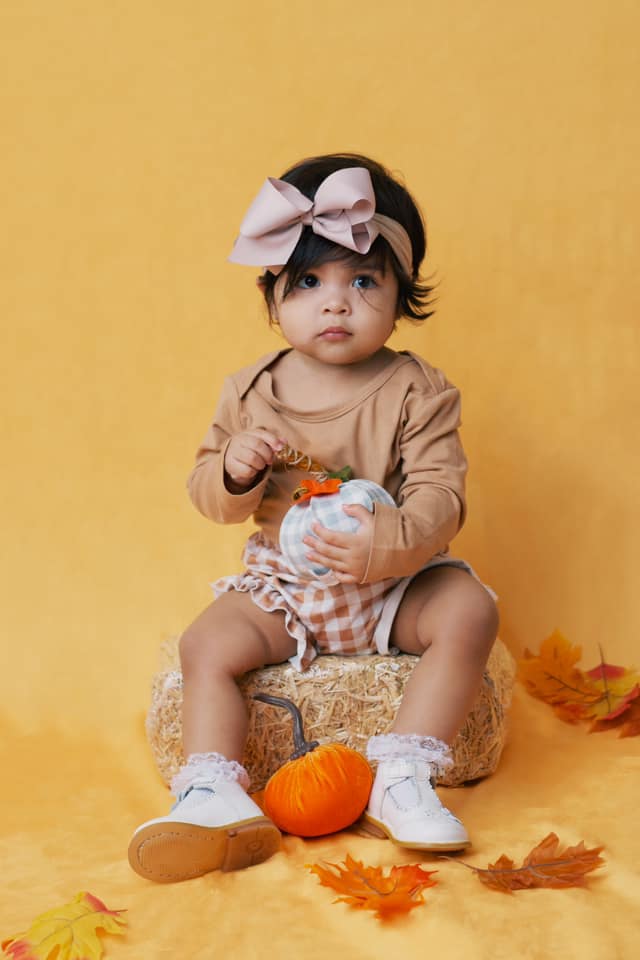
- Photographers offering newborn, cake smash, and milestone sessions with color-coordinated setups
- Content creators and brand photographers who want a distraction-free background that keeps focus on the subject
Solid Color Backdrops for Headshots & High-Volume Portrait Sessions
Solid backgrounds are the standard choice for professional headshots and school portrait days because they keep the editing workflow clean and consistent across large batches — no background variation between shots, no pattern clashing with different client outfits, and no post-processing time spent removing distracting elements. Kate's solid color fabric backdrops deliver that consistency in a format that folds flat between sessions, requires no specialist storage equipment, and can be ironed or steamed back to a smooth finish before any shoot. The wrinkle-resistant microfiber surface also reduces light bounce compared to vinyl and paper alternatives, giving a more even result under both strobe and continuous lighting setups.
Tonal & Textured Solid Backdrops for Fine Art & Lifestyle Portraits
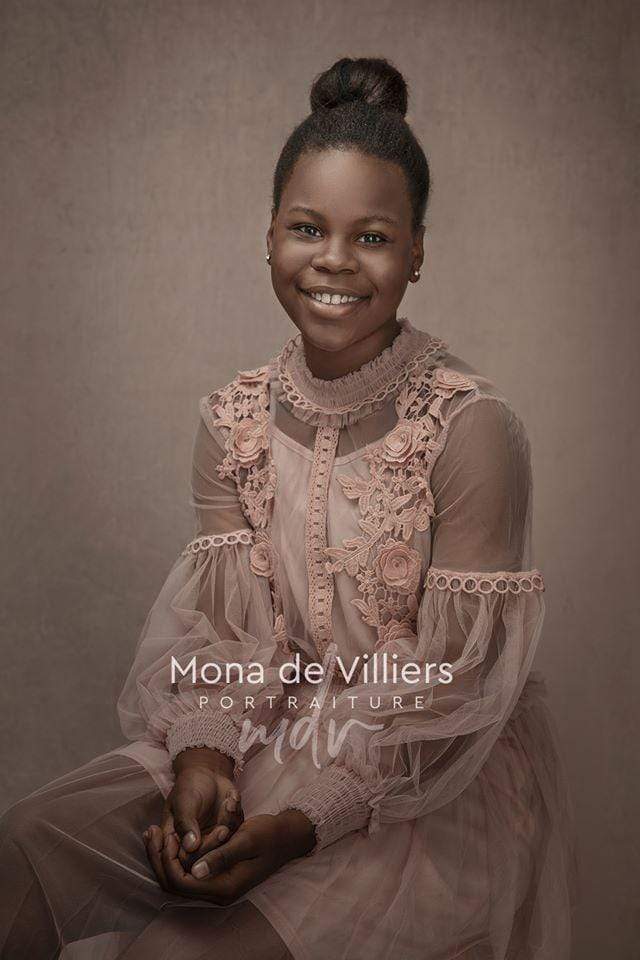
Beyond the clean, flat-color studio setup, Kate's solid color range includes tonal designs — smoke gradients, charcoal old master textures, and soft mottled surfaces — that read as a single color in-camera while adding depth and painterly character to images. These work particularly well for fine art maternity sessions, senior portraits, and boudoir work where photographers want a background with visual interest that doesn't compete with the subject. Accent color options in blush pink, sage green tones, and cream extend the same fabric quality into lifestyle, birthday, and milestone sessions where background color is a deliberate part of the image composition.
Explore More
Back to All Fabric Backdrops
See also: Seamless Paper Backdrops | Collapsible Backdrops | Abstract & Texture Backdrops