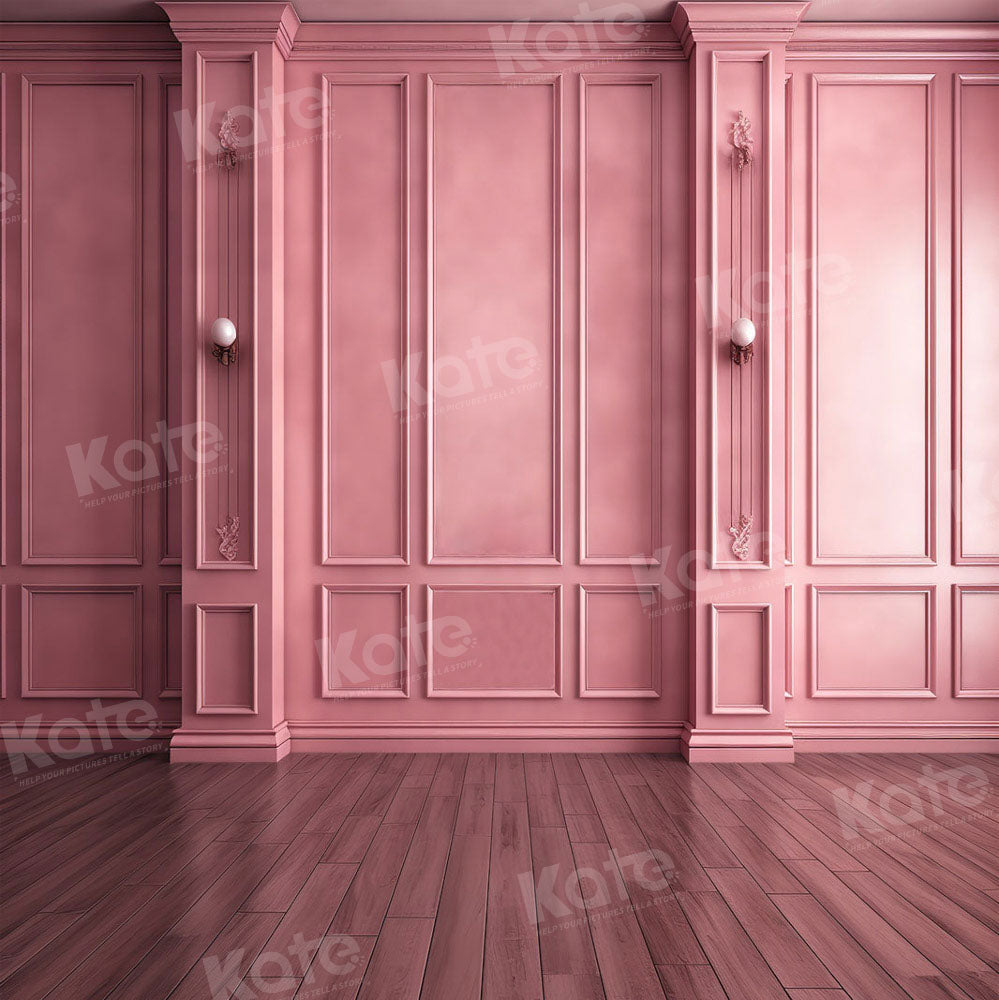
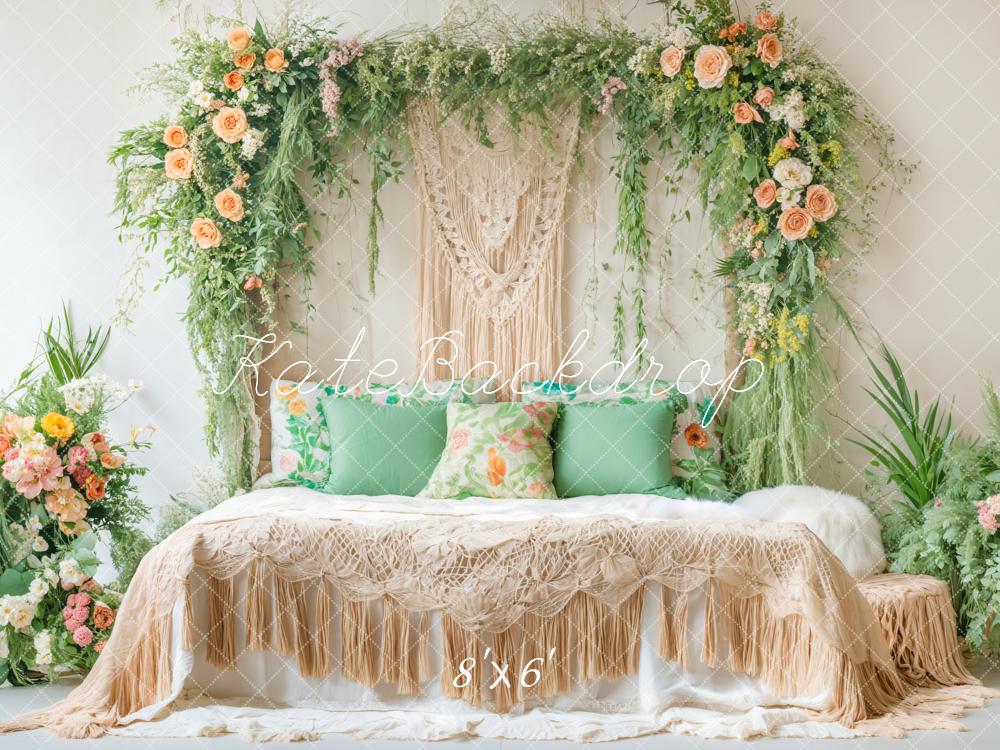
Which boudoir backdrops are best for intimate photography?
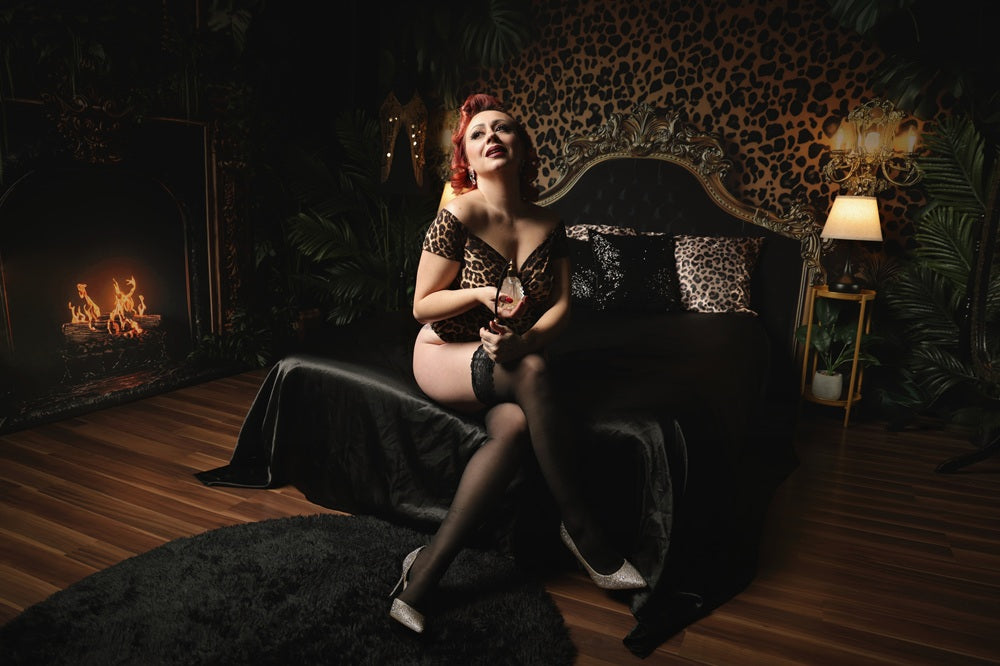
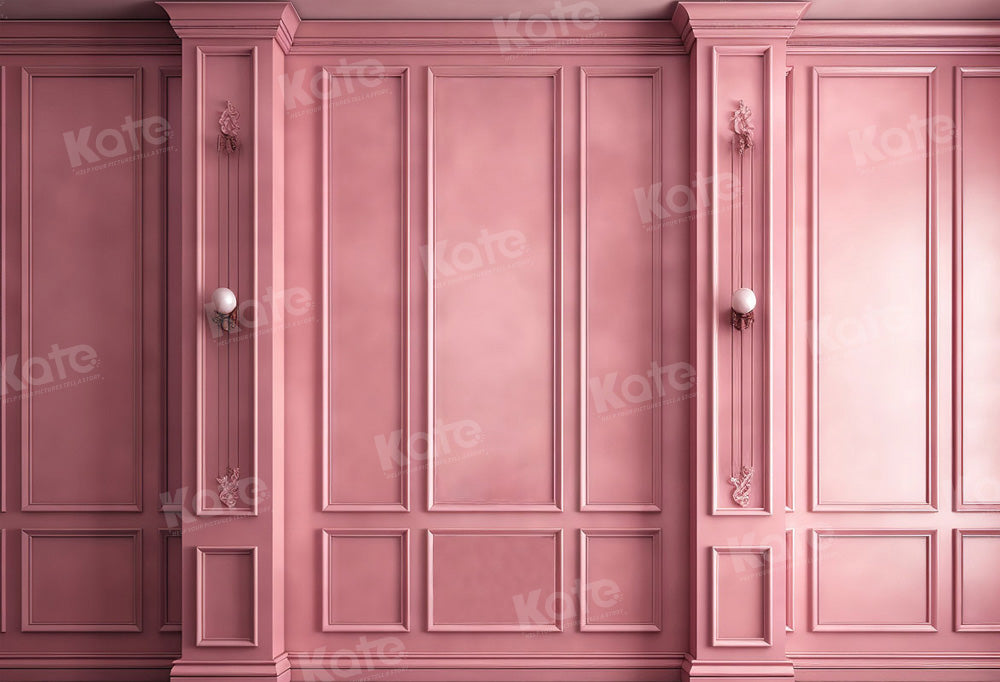
The best boudoir backdrops set a warm and private tone for photos, helping the subject feel comfortable. Using neutral colors like beige, blush, or gray ensures the focus stays on the person, while soft textures such as lace or velvet add depth without being distracting. Layering simple props can further enhance the cozy feeling. These backdrops are ideal for romantic or personal portrait sessions.
Which colors work best for boudoir backdrops?
Soft, neutral colors work best for boudoir backdrops, creating a calm and flattering environment. Shades like ivory, blush, or muted gray enhance skin tones naturally, and adding subtle textures or patterns can give extra depth to the image. This keeps the backdrop visually interesting without drawing attention away from the subject. Overall, these colors work well in most intimate and professional shoots.
Which boudoir photo backdrops work best for portraits?
Simple and soft boudoir photo backdrops work best because they highlight the subject naturally. Neutral shades allow skin tones to stand out, while textures add depth to the photo. Minimal bedroom or fabric-inspired designs keep the focus on the person, and adding small props can make the scene feel more intimate. These backdrops are versatile and suit bridal, lifestyle, or personal portrait sessions.
What boudoir photography backdrops are suitable for professionals?
Professionals choose boudoir photography backdrops that have consistent color and subtle textures. Fabric or room-inspired designs provide polished results in every shot, while high-quality materials prevent wrinkles and maintain a clean look. Using them with minimal props keeps the setup elegant. This ensures client sessions and portfolio images look professional and refined.
Do boudoir backdrops wrinkle easily?
Some fabric boudoir backdrops may develop creases if folded, but rolling usually prevents this. Light steaming or gentle stretching can remove minor wrinkles, and using quality fabrics further reduces the risk of permanent lines. Keeping them stored properly ensures they are always ready for a shoot. This simple care routine maintains clean, professional images every time.
What is a boudoir headboard backdrop used for?
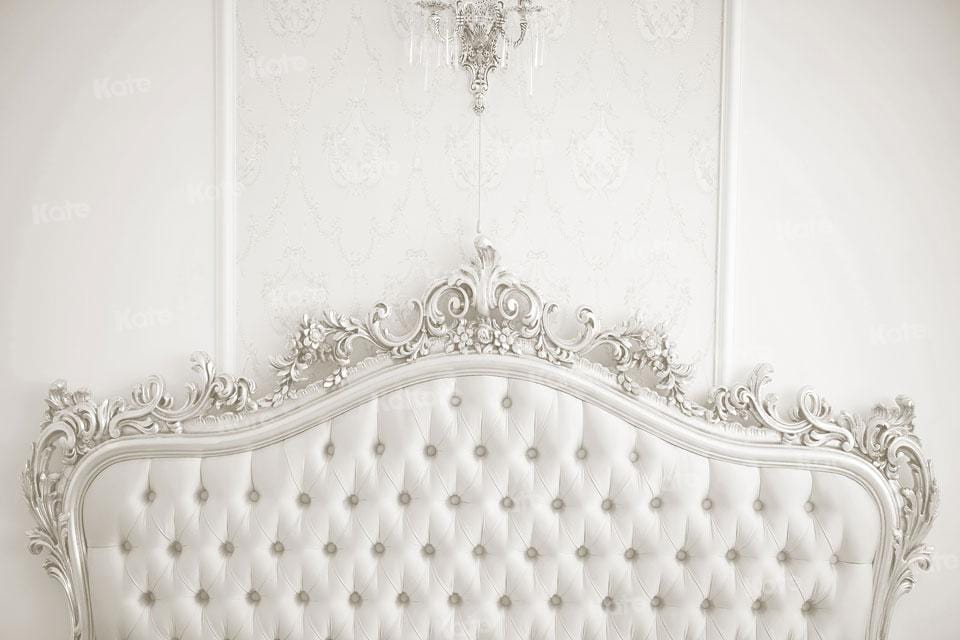
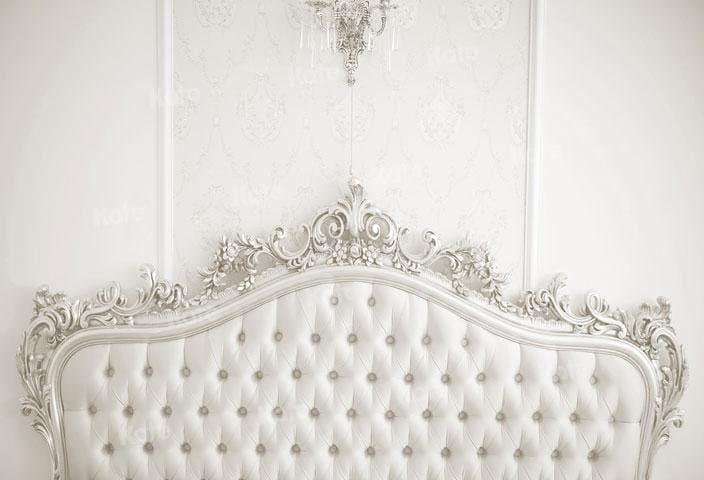
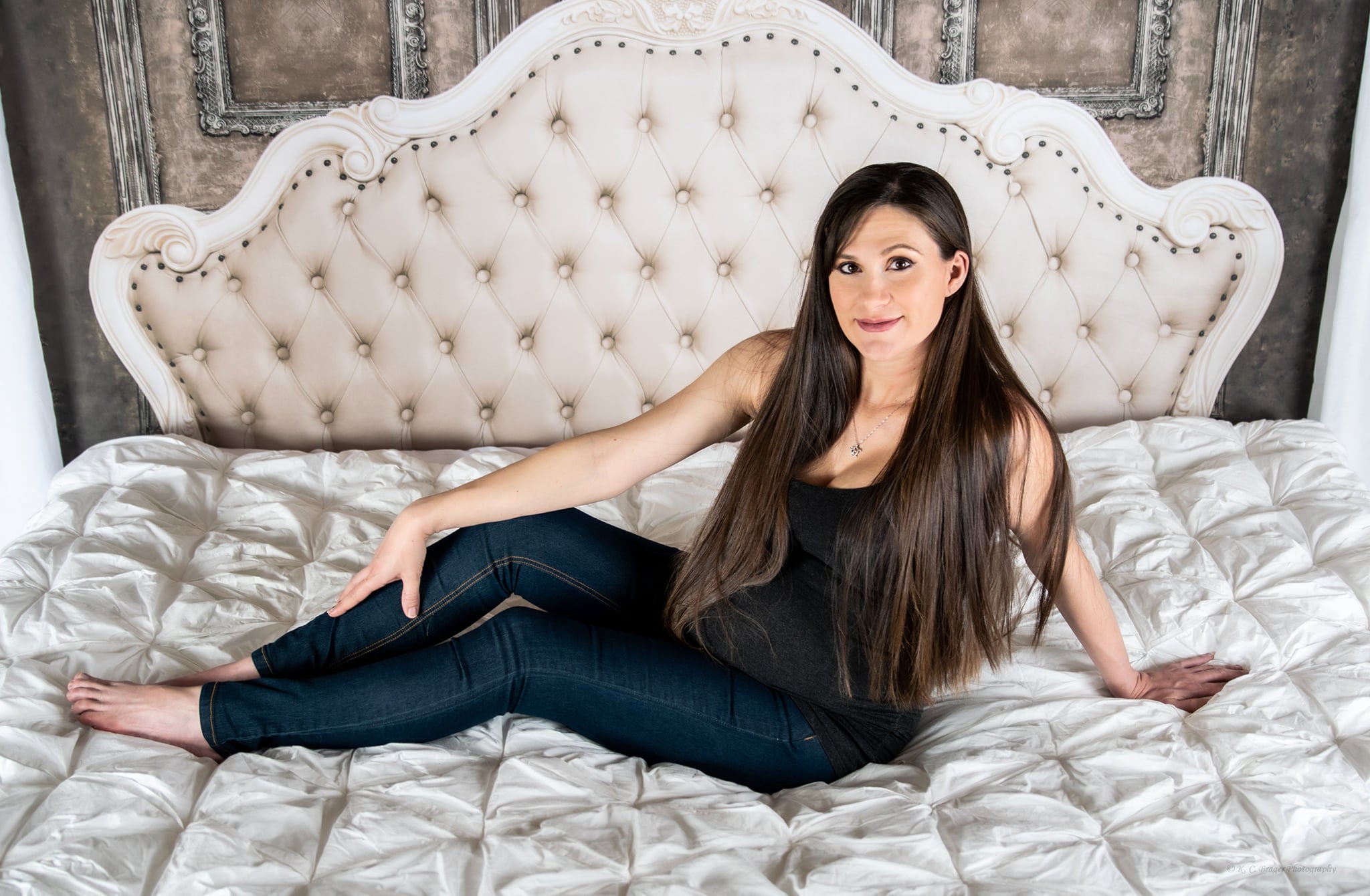
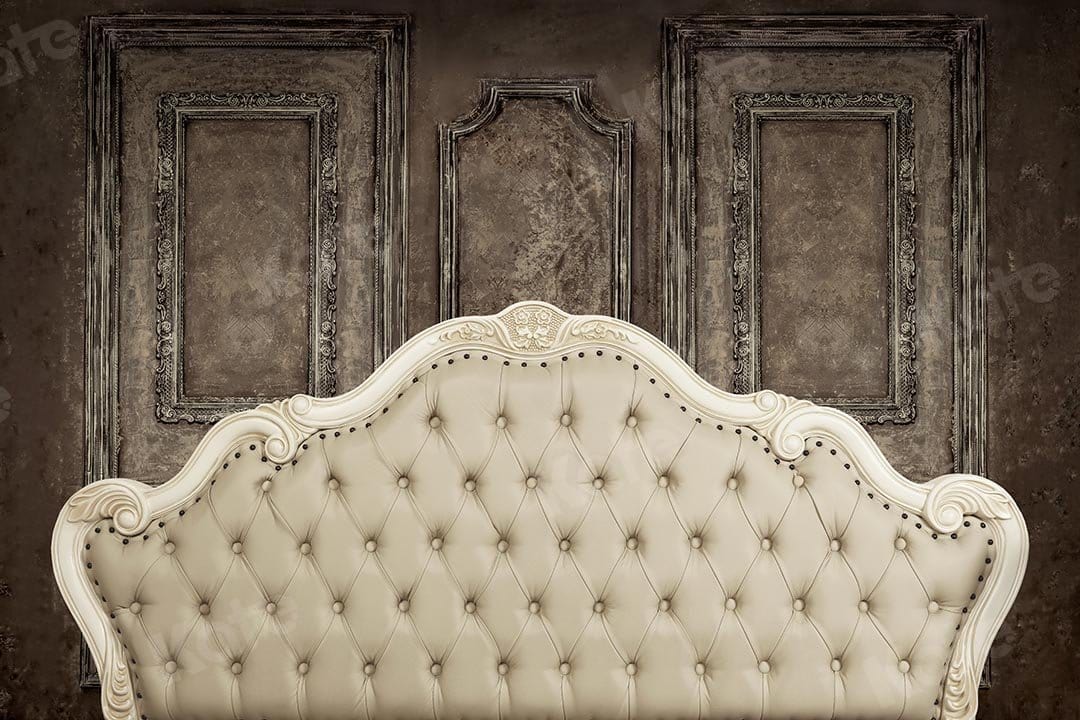
A boudoir headboard backdrop is used to create a realistic bedroom scene without actual furniture, adding structure and depth to the composition. When paired with pillows or blankets, it makes the space feel cozy and inviting. This setup works well for sitting or reclining poses. Overall, it helps achieve intimate and professional portraits effortlessly.
How do you set up a boudoir backdrop?
Start by hanging the boudoir backdrop on a stand or wall so it’s smooth and even. Adding props like pillows or soft fabrics enhances the visual depth, while adjusting the lighting helps highlight textures and the subject naturally. Keeping the background clean avoids distractions in the shot. This simple setup works well in both studio and home settings.
Can boudoir backdrops be used with natural light?
Yes, boudoir backdrops work beautifully with natural light, which softens shadows on the subject. Placing them near a window creates a warm and flattering effect, while the backdrop’s neutral colors reflect light evenly to enhance skin tones. Pairing textures with natural light makes the image feel more intimate. This technique works well for lifestyle and bridal shoots.
What backdrops do professional boudoir photographers use?
Professional boudoir photographers usually use backdrops such as hand-painted canvas, textured muslin, or high-quality seamless paper because they create a soft, flattering look on camera. They often choose moody or neutral tones, such as charcoal, deep red, or navy, to add a sense of depth and intimacy to the photos. Instead of bold or busy patterns, they prefer subtle textures that enhance the overall mood while keeping the focus clearly on the subject.
Are boudoir backdrops portable?
Yes, many boudoir backdrops are lightweight and easy to transport. Rolling or folding them saves space and protects the fabric, making it convenient to set up shoots in studios, homes, or hotel rooms. Even small portable designs allow quick and professional setups. Overall, portability gives photographers flexibility without sacrificing quality.





 Christmas