

 Christmas


×


3 Boudoir Backdrop Ideas with Styling Tips
Compare three boudoir backdrop ideas for warm, moody and bedroom-inspired portraits, with practical styling, lighting, size and framing tips.
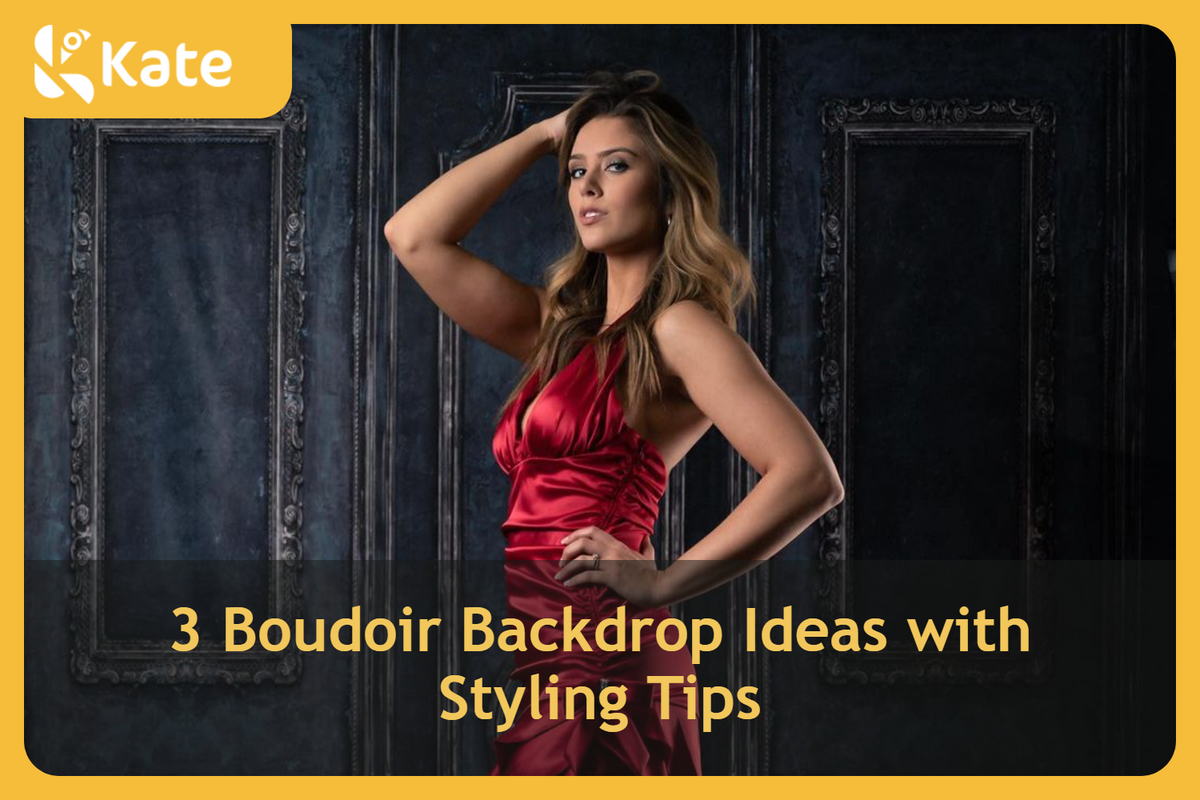
Boudoir backdrops do more than fill the frame. The setting helps establish the mood, guides wardrobe and prop choices, and affects how much of the studio you need to light or hide.
The three ideas below create clearly different results: a warm city-window scene, a dark blue wall, and a romantic printed headboard. Compare the look you want first, then check how the design will work with your pose, crop, lighting and available floor space.
Compare the Three Boudoir Backdrop Ideas
| Backdrop direction | Visual result | Works especially well for | Check before choosing |
|---|---|---|---|
| Vintage city window | Warm, cinematic and lifestyle-led | Editorial portraits, bridal boudoir and seated poses | A printed window suggests light but does not create it |
| Dark blue retro wall | Moody, structured and dramatic | Low-key portraits, dark florals and metallic accents | Dark wardrobe needs enough separation from the background |
| Printed headboard | Romantic and bedroom-inspired | Seated or reclining poses, bridal styling and repeatable studio sets | Printed furniture must align with real bedding, props and the final crop |
1. Create a Warm, Cinematic Look with a Vintage City Window

A window-inspired print is a useful starting point when you want boudoir portraits to feel like they were made in a private apartment or hotel room. Warm neutrals, soft fabrics and restrained accessories support the scene without competing with the city details.
Try ivory, champagne, muted rose or warm brown wardrobe tones for a cohesive palette. A simple chair, a narrow bench or a small section of draped fabric can add depth while keeping the printed scene visible.
Match the Lighting to the Printed Scene
The window in this backdrop is printed; it does not emit or diffuse light. Place your key light so its direction feels consistent with the brightest part of the design. A large, softened source positioned off to one side can suggest window light without creating an obvious conflict between the subject's shadows and the printed highlights.
Before the full session, take a test frame at the intended camera height. Check whether the subject's face, hands and wardrobe receive enough light while the printed window remains believable rather than becoming the brightest distraction in the image.
Plan the Crop Before Choosing a Size
A tighter crop can use a smaller portion of the scene for standing, seated or three-quarter portraits. Wider compositions need enough printed area to keep stands, wall edges and unrelated studio space outside the frame. Decide whether the final image needs only the window area or more of the surrounding city interior before selecting the product size.
2. Build a Moody Portrait with a Dark Blue Retro Wall

A deep blue retro wall backdrop works well when you want a darker, more dramatic boudoir set without relying on a plain black background. The wall-and-door design adds visual structure, while the cool color can balance warm skin tones, brass accents and muted florals.
Black, navy, burgundy and jewel-toned wardrobe can all suit this direction. If the wardrobe is close in value to the backdrop, add separation with light rather than expecting the design alone to outline the subject.
Keep the Subject Separate from the Background
Move the subject forward when the studio allows, then use a soft key light to shape the face and body. A subtle rim light or controlled background light may help define dark hair and dark fabric. Direct frontal light does not automatically remove unwanted shadows; its position and size still determine how flat or dimensional the portrait appears.
Watch the brightest architectural details in the print. They can help frame the subject, but they should not appear to pass through the head or create a distracting line at shoulder level. Small adjustments to camera height and subject position often solve this before you change the lighting.
Style with a Limited Accent Palette
Choose one or two supporting accents, such as antique gold, dusty rose or deep red. A chair, sheer fabric or a small floral arrangement can be enough. Keeping the prop list short helps the printed wall remain part of the composition rather than making the set feel crowded.
3. Suggest a Bedroom Set with a Printed Headboard

A printed headboard backdrop is a practical option when you want a romantic bedroom look but need to reset the studio quickly. It works especially well for seated poses, close reclining crops and bridal boudoir styling.
The headboard and surrounding room details are part of the printed design, not physical furniture included with the backdrop. You can photograph directly in front of the print, or place a low mattress, bench, bedding or pillows in front when a more dimensional foreground suits the shot.
Align Real Props with the Printed Perspective
If you add bedding, keep the camera height and angle close to the perspective shown in the design. A real mattress or bench that sits too high can cover the most recognizable part of the headboard. Props that are much warmer, cooler or brighter than the printed room may also look disconnected.
Set the camera and widest planned pose first. Then position real items while viewing through the lens, not only from the side of the set. This makes it easier to align the printed furniture with the foreground and avoid an awkward seam between two visual planes.
Treat Mattress Labels as Product-Specific Guides
The current product page offers size labels related to several common mattress widths. These labels belong to this specific design and its current options; they are not a universal sizing system for every boudoir backdrop. Recheck the live product measurements before ordering, especially if a real bed, bench or floor pose must fit inside the frame.
How to Choose the Right Boudoir Backdrop Size
Start with the widest image you plan to deliver rather than the subject's height alone. A close portrait, a seated pose and a full-body reclining composition require very different coverage.
Consider four measurements:
- The widest pose. Include extended arms, legs, fabric and any movement between poses.
- The real furniture or props. Measure the visible width of a chair, bench, mattress or bedding rather than relying only on its product name.
- The amount of floor in the frame. If the composition shows the subject reclining toward the camera, allow enough foreground coverage or plan a compatible floor surface.
- The camera position and crop. A wider lens or more distant camera may reveal stand edges and studio walls that were hidden in a tighter test shot.
Mark the intended frame on the studio floor with tape and test it with the camera before choosing a size. This quick check is usually more useful than selecting by subject count alone.
Test Wardrobe, Skin Tone and Backdrop Together
The backdrop should support the subject, not absorb important details or compete with skin tone. Take a few test frames with the actual wardrobe whenever possible.
- Against the warm city scene, check whether pale fabric keeps enough edge definition.
- Against the dark blue wall, check black lace, dark hair and shadow areas for separation.
- Against the printed headboard, check whether fabric patterns compete with bedding or wall details.
Judge the result on the type of screen or print you expect to deliver. A combination that looks distinct on a bright monitor may lose separation in a darker edit or small album print.
Choose the Scene That Supports the Story
Choose the vintage window when you want warm editorial atmosphere, the deep blue wall when the session calls for a moodier structure, and the printed headboard when a repeatable bedroom-inspired set matters most.
Whichever direction you choose, plan the crop, lighting and foreground props as one composition. A short camera test before the client arrives will reveal perspective conflicts, dark wardrobe separation and uncovered studio edges while there is still time to adjust.
Frequently Asked Questions
Are the windows, walls and headboards real props?
No. In the three examples above, the window, wall and headboard are printed design elements on the backdrop. Physical furniture, bedding, florals and other props are separate unless the current product page specifically says they are included.
Do I need a real bed for a printed headboard backdrop?
Not necessarily. You can create a tighter portrait using only the printed design. A low mattress, bench, pillows or bedding can add foreground depth for wider images, but test the camera angle and prop height so they align with the printed perspective.


Weekly Picks 15%OFF
🔥Trending