

 Christmas


×


6 Best Collapsible Backdrops for Photographers in 2026
Compare six collapsible backdrops for headshots, portraits, self-tapes and branded shoots, with practical notes on size, style and limitations.
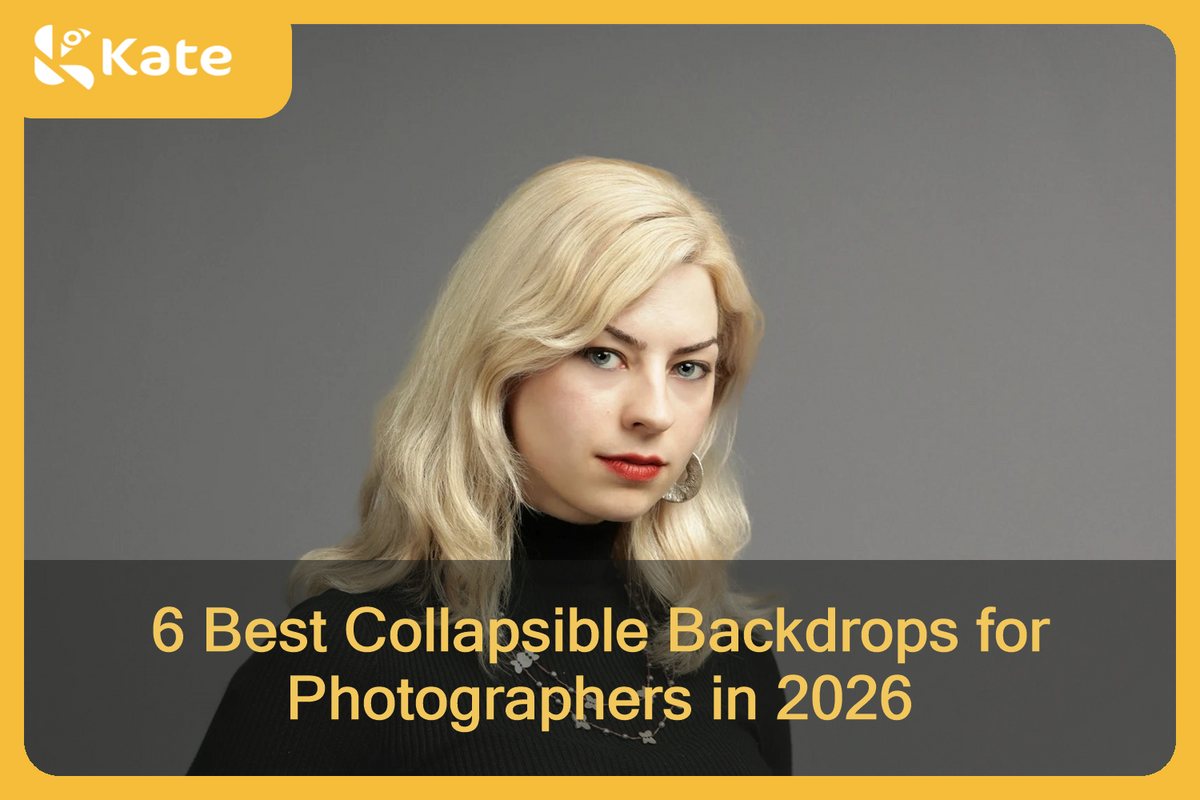
A collapsible backdrop is useful when you need a controlled background without leaving a full backdrop system set up all day. It works especially well for headshots, portraits in smaller spaces, self-tapes, video, and shoots where you need to pack up quickly.
The best collapsible backdrop is not simply the color you like most. Start with how you normally frame your subject, then decide whether you need a clean solid background, a textured portrait look, or two different surfaces you can switch between.
Five of the standard options below are 5 × 6.5 ft. The custom product lists additional size formats, although current availability can vary. These panels are a practical fit for many headshots, seated portraits, and tighter compositions, but they give you less room than a full-size studio backdrop for wide full-body portraits or groups.
Rather than ranking the six backdrops from best to worst, we have grouped them by the type of shoot and background style they suit best.
Which Collapsible Backdrop Should You Choose?
| If you mainly shoot... | Start with | Why |
|---|---|---|
| Headshots and simple portraits | Solid White/Black Microfiber | Two neutral backgrounds in one portable panel |
| Self-tapes, interviews, and video | Solid Color Composite | Several solid-color combinations with minimal visual distraction |
| Light, textured portraits | Cream/Blue Microfiber | Two softer portrait looks in one panel |
| General portrait and headshot work | Dark Grey/Blue Microfiber | Two darker, understated portrait backgrounds |
| Moody or low-key portraits | Black/Dark Gray Texture | Darker textured surfaces for controlled portrait setups |
| Branded or specific visual setups | Custom Microfiber Collapsible | Uses your own design rather than a standard color or texture |
If you want to compare more colors and designs first, browse the full Collapsible Backdrops collection.
1. Solid White/Black Microfiber: A Simple Choice for Headshots
For photographers who want two straightforward neutral backgrounds, the Solid White/Black Microfiber Collapsible Backdrop is an easy place to start.
The white side gives you a clean, lighter background, while the black side moves the image in the opposite direction without requiring a second panel. Its 5 × 6.5 ft coverage makes the most sense for tighter headshots, seated portraits, video, and other compositions that do not need a wide shooting area.

Choose this one when versatility matters more than visible texture. Keep in mind that a white surface still needs enough light to photograph as bright white; it will not automatically look pure white in every setup.
2. Solid Color Composite: A Practical Option for Self-Tapes and Video
When the background needs to stay simple, the Solid Color Composite Collapsible Backdrop keeps the setup uncomplicated.
Current color combinations include Black/White, Blue/Gray, Blue/Green, Blue/White, and White/Gray. This gives you several ways to match a solid background to self-tapes, interviews, video calls, live streaming, and quick headshots.

This product uses a composite material rather than the Microfiber construction named on the other recommendations. Choose it when a plain surface is the priority. If you mainly photograph styled portraits and want the background to add more visual depth, one of the textured Microfiber options below may be a better fit.
3. Cream/Blue Microfiber: For Lighter Textured Portraits
A completely solid background is not always the best fit for portrait work. The Cream/Blue Microfiber Collapsible Backdrop gives you two textured alternatives without requiring a larger studio setup.
The cream side keeps the frame light and understated. Flip the panel and the blue side creates a cooler look while keeping the same compact shooting footprint.

This pairing makes sense for individual portraits, senior portraits, and smaller studio sessions where you want more visual character than a plain white or gray background.
4. Dark Grey/Blue Microfiber: For Flexible Portrait and Headshot Work
The Dark Grey/Blue Microfiber Collapsible Backdrop sits between a plain studio background and a strongly styled portrait scene.
Both sides stay relatively subdued, which makes the panel easier to use across different portrait sessions without letting the background dominate the image.

Think about wardrobe and lighting when working with darker backgrounds. Dark clothing or hair can lose separation against a similar tone, so leave some distance between the subject and backdrop and adjust your lighting as needed.
5. Black/Dark Gray Texture: For Moody Portraits
If your portrait work regularly leans darker, the Black/Dark Gray Texture Microfiber Collapsible Backdrop gives you two surfaces in the same general visual direction.

That can be useful for dramatic headshots, low-key portraits, or controlled studio setups where you want the face, pose, or clothing to carry most of the frame. With dark-on-dark combinations, subject separation and lighting matter just as much as the background itself.
Choose this over a lighter neutral when a darker portrait style already fits the work you regularly shoot.
6. Custom Microfiber Collapsible: When a Standard Background Does Not Fit
Sometimes another shade of blue or gray is not what the job needs.
The Custom Microfiber Collapsible Backdrop is the option for your own image, design, text, or other specific visual rather than a standard color or texture.

The product page lists 5 × 6.5 ft, 5 × 5 ft, and 4 × 4 ft formats, but current variant availability can change. Check the live product options before choosing a size.
For everyday headshots, a neutral background will usually be simpler. Customization becomes more useful for recurring branded content, events, or a visual setup that needs a specific design.
What Should You Look for in a Collapsible Backdrop?
Once you have narrowed down the style, three practical questions matter more than having dozens of designs to choose from.
Start With Your Framing
A 5 × 6.5 ft panel gives you useful coverage for many headshots and tighter portraits, but it leaves much less room than a full-size studio backdrop. If you usually photograph people from head to toe, families, groups, or subjects who move around the set, check the available shooting area before buying.
The Backdrop Size Guide can help you compare dimensions by subject and framing.
Decide Whether You Want Solid or Textured
Solid backgrounds keep visual attention on the subject and are easy to work into headshots, self-tapes, interviews, and video.
Textured backgrounds add more character and make more sense when you want the background to contribute to the portrait rather than disappear completely.
Neither approach is automatically better. Choose based on the work you shoot most often.
Make Sure You Will Use Both Sides
A double-sided collapsible backdrop is most useful when both sides solve a real problem for you.
A Black/White combination gives you two clearly different neutral setups. Cream/Blue or Grey/Blue keeps both sides within a portrait-oriented look while still giving you variation.
Instead of choosing a panel because you love one side, ask whether the second side will realistically make its way into your sessions too.
When Is a Collapsible Backdrop Not the Best Choice?
Portability is one of the main reasons to choose a collapsible backdrop, but its compact shooting area is also the main limitation.
If you regularly shoot full-length portraits, families, groups, active children, or wider compositions, a larger fabric photography backdrop gives you more room to frame the subject and adjust your composition.
If you need a clean solid background that continues from the wall onto the floor, seamless paper backdrops are another option worth comparing. Paper is a consumable roll material, so marked sections are advanced and trimmed rather than washed.
Choose a collapsible backdrop when its size and quick setup match the way you actually work, not only because it is easier to carry.
Do You Need a Stand for a Collapsible Backdrop?
Not always, but a dedicated support gives you more control over where the panel sits.
On location, a collapsible backdrop stand with clamps lets you position the panel without depending on a wall, doorway, or furniture in the room. The stand is a separate product, so check the current product details and available floor space before adding it to your setup.
For step-by-step setup, lighting, folding, and storage guidance, see the Collapsible Backdrop Guide. This recommendation article stays focused on choosing a panel; the guide covers how to use it safely once it arrives.
Which Collapsible Backdrop Is Best for You?
There is no single collapsible backdrop that works best for every photographer.
For simple headshots, start with a solid neutral. For portraits where you want more visual depth, compare the textured Microfiber options. If you shoot several types of work, choose a double-sided combination where both surfaces have a clear place in your workflow.
Most importantly, check the size before choosing the design. A backdrop that fits your framing and shooting space will be more useful than a color you love but constantly have to crop around.
Once you know a compact collapsible setup suits the way you shoot, compare the current colors and textures in the Collapsible Backdrops collection.
Frequently Asked Questions
What is the best collapsible backdrop for headshots?
A solid white, black, gray, or muted blue background is a practical starting point for headshots because it keeps attention on the subject. Choose a textured option when you want the background to contribute more visual depth. The most useful double-sided panel is one where both surfaces fit the work you regularly shoot.
Is a 5 × 6.5 ft collapsible backdrop large enough for full-body photos?
It can work for carefully framed individual portraits, but it gives you limited room for full-body poses, movement, horizontal crops, or groups. Check the panel's usable area from your planned camera position before buying. A larger fabric or paper background is usually easier for wider compositions.
Do collapsible backdrops need a stand?
Not in every space. You may already have a safe way to support the panel in a permanent studio, but a dedicated stand and clamp give you more control on location. Match the support to the panel and leave enough floor space around the setup.
How do you fold and store a collapsible backdrop?
Use two hands, keep the spring frame under control, and follow the panel's folding sequence rather than forcing it. Once folded, return it to its carry bag and store it in a dry area. The Collapsible Backdrop Guide provides step-by-step setup, folding, and storage instructions.


Weekly Picks 15%OFF
🔥Trending