




 Christmas


✨ Build your dream setup!
×


10 Studio Backdrop Styles That Actually Work After WPPI (And Why Photographers Keep Using Them)

The WPPI conference is full of inspiration for photographers. However, getting inspired doesn’t necessarily translate into improved sessions and smoother studio operations.
The real test starts after the show. When you're back at your workspace, setting up for real shoots, with real clients and real time pressure. That's when you find out what actually works.
Some backdrops look great with perfect lighting and demonstrations. But studio life is different. Your lighting changes. Your space is tighter. Your sessions move fast. So it's important to ask each backdrop what it will perform in your day-to-day photography studio.
The idea is not simply to follow trends. But to choose styles that will support your workflow, fit your clients, and make your shoots smoother.
Here are 10 backdrop styles that you should consider after attending WPPI. Not only are they great-looking. They’re also practical, flexible and proven across different photography needs.
Each style includes useful information on why it works in a real-world studio setting and who it will benefit most.
1. Neutral Textured Backdrops
Neutral textured backdrops might not get your attention on a show floor, but they shine where it matters most: in actual shoots! The texture ensures your photos don’t look flat, and the neutral color ensures your subject’s skin tones look accurate.
You will find them most useful if you have to photograph multiple clients back to back. The results will be consistent without having to change the lighting, and your sessions will go smoothly.
• Best for: Portraits, headshots, families, and branding
• Why they remain a favorite among photographers: These backdrops will always keep the focus on your subject and can be used for any style. They will help you achieve a look that is always consistent and polished.

👨👩👧👦 One backdrop works effortlessly across multiple portrait styles ➜
2. Fine Art Backdrops
A fine art backdrop adds visual interest without locking into a specific story. The combination of soft color transitions and layered effects adds a painterly feel to the backdrop. This gives an image a more fine-art-inspired artistic feel.
Because of this added depth, you can easily change the look of your scene. You can do this simply by adjusting the light, changing the subject distance or swapping wardrobe choices.
Overall, this allows more flexibility than literal scene-based designs.
• Best for: Fine Art Photographers, Editorial Photographers, Photographers of Creative Portraits.
• Why photographers return to it: Fine art backdrops allow creative freedom without putting restrictions on the photographer so that they can utilize different designs (whether they are creating artistic portraits or bold brands). Therefore, they are ideal for photographers looking for creativity but not complexity.

🎨 Painterly textures bring artistic depth to every frame ➜
3. Boho-Inspired Backdrops
Boho-inspired backdrops are perfect since they will align with the style that your clients are looking for. Earthy tones help reduce the stiffness that clients feel in a studio setting. This allows you to take photos that are natural and relaxed.
You will also find that they blend in nicely with props, mats, or flowers, etc., without overdoing it.
• Best for: Family, maternity, lifestyle
• Why clients love them: Boho styles are great because they immediately put your clients at ease. They are natural, timeless, and cohesive.

❤️ Start with a backdrop that feels warm, natural, and lived-in ➜
4. Minimal Architectural Wall-Texture Backdrops
These wall texture backdrops provide clean structural lines, subtle wall-like depth, and visual organization without any extra clutter. You will be able to produce polished and intentional images on a consistent basis.
• Best for: Corporate Headshots, Personal Branding, Editorial Photos
• Why photographers love it: You will deliver an elegant and professional appearance that allows your subject to maintain center stage. In addition to that, they will allow you to develop a cohesive and consistent style for multiple studios and photographic sessions.

✨ Architectural textures add depth without distraction ➜
5. Dark Moody Backdrops
Dark backdrops are popular because you can create drama with them, but it’s essential to get the best quality. Good-quality dark backdrops will not reflect the light; instead, they will absorb it.
• Best for: Fine art portrait, editorial, branding
• Why you will love them: With these backdrops, you can create bold images with consistent results. Dark tones pair well with dramatic lighting, which will help you control the mood of every image without the presence of reflections.

🕯️ Deep tones create mood without competing for attention ➜
6. Light & Airy Backdrops
Light-colored backdrops are popular in client-facing photography because they’re friendly and easy to work with. They tend to reflect light well, soften shadows, and make small studios feel spacious.
• Best for: Family, newborn, and lifestyle photography.
• Why we love them: You will notice that these backdrops will make your sessions run smoothly. They have a friendly and welcoming quality, making lighting easier, and will ensure that your clients feel relaxed and calm, ideal for natural photos.

👶 Perfect for capturing tender, peaceful moments ➜
7. Seasonal Themed Backdrops
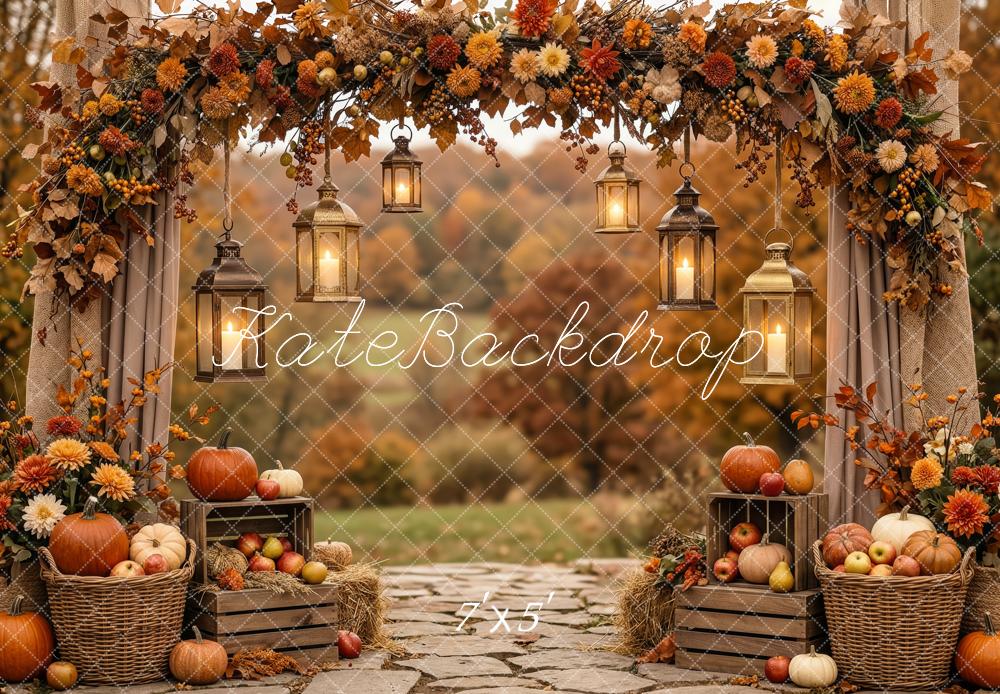
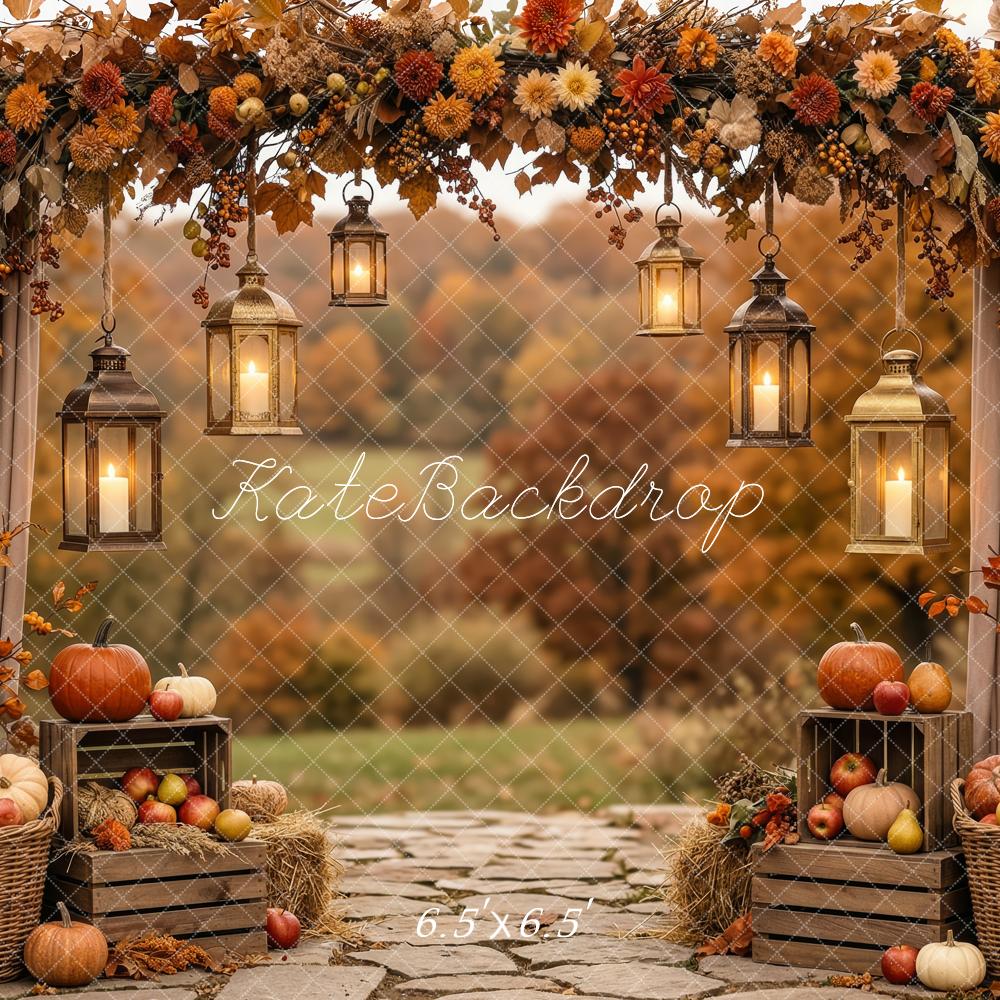
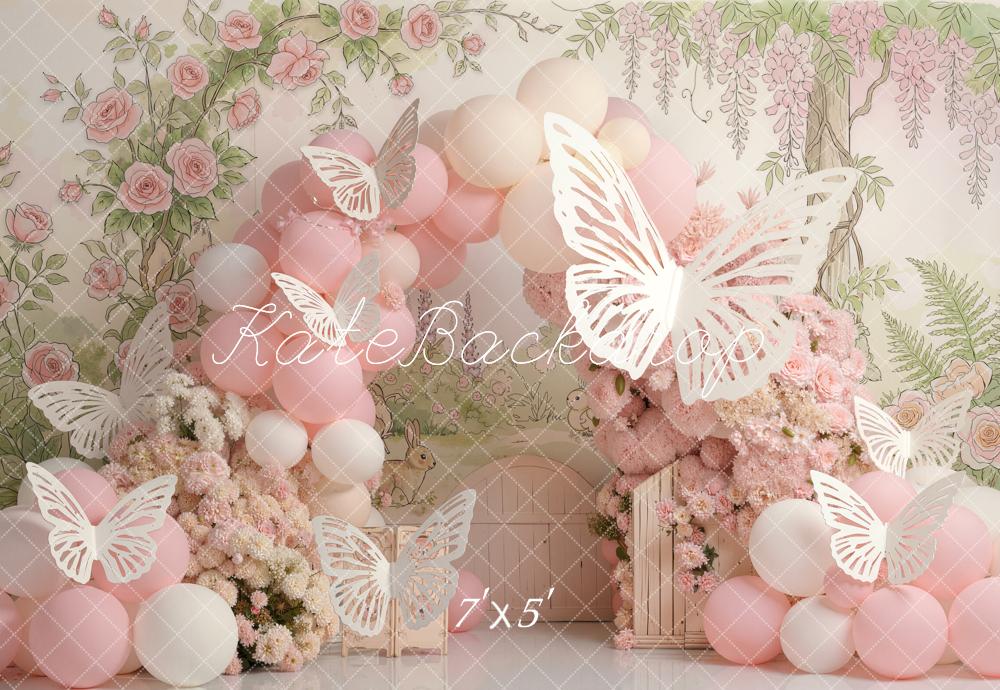
Instead of trying to adapt one backdrop for every season, many photographers now keep a selection of ready-to-shoot seasonal themed backdrops. These designs make it easy to create strong holiday or campaign visuals without relying heavily on props or complex styling.
This approach works especially well for mini sessions, promotional campaigns, and holiday booking seasons, where clients expect a clear seasonal look right away.
• Best for: Mini-session photographers, high-volume studios, and event photographers
• Why it’s efficient: Seasonal themed backdrops reduce setup and styling time while helping photographers match current booking demand. For busy seasons like Christmas, Fall, or Spring minis, having dedicated themed designs often speeds up workflow and improves booking conversion.

🎄 Seasonal scenes deliver instant visual clarity ➜
8. Collapsible Double-Sided Backdrops
The biggest frustration photographers have after WPPI is space to store and transport the backdrops they use. The double-sided pop-up designs give you a whole new look with the same backdrop.
They’re compact and portable, making them perfect for photographers who shoot on location or in temporary spaces.
• Best suited for: Mobile Photographers, shoot events or use a studio on-location.
• Why they’re reliable: These types of backdrops, collapsible two sided, provide the photographer with flexibility and no compromise to quality. It is compact so they can be stored, transported and set up quickly making sure the photographer has what he/she needs for a shoot.

📸 Switch scenes instantly without changing your setup ➜
9. Coordinated Floor + Backdrop Sets
Matching floors and backdrops make compositions easy and reduce distractions. This makes it easy for you to create a cohesive scene, and your subject feels grounded and looks great.
• Best for: Children’s photography, lifestyle, and storytelling photography
• Why photographers love it: You can be assured of a seamless scene, which is great for telling a story. Coordinated sets help you create a polished and professional look without the need for additional props and furniture, making your shoots easy and efficient.

📸 Coordinated surfaces create instant visual harmony ➜
10. Signature Backdrops
Some photographers are intentional with the number of backdrops they use in order to build a more tailored signature style. When you use one backdrop for many photo shoots, your portfolio will take on a consistent look. This makes your work easily recognizable and allows your brand to stand out.
• Best for: Photographers with a brand or style
• Why it works long-term: A signature backdrop will make your work easily recognizable, which will help to build your brand and gain the trust of your clients.

How To Determine What To Do First After The WPPI
The most common mistake you can make after WPPI is to try to replicate everything you saw at the show. It’s tempting to want to recreate all the displays and designs you saw. But what usually happens is you end up overspending and having a disorganised workflow.
A better approach is to slow down and build a simple strategy. Focus on a versatile, flexible setup that you can use for a variety of sessions. This will give you more value and keep your work consistent.
Instead of investing lots of highly specialized backdrops, start with these three basic types of backdrops:
1. One Neutral or Abstract Base
One neutral or abstract backdrop will serve as the foundation for the rest of the studio. These types of backdrops handle the largest volume of work. They adapt easily to different subjects, lighting setups and clients expectations.
Photographers will use these types of backdrops for:
• Portraits, Headshots and Personal Branding
• To keep the subject's skin tones consistent with predictable results in editing
• To allow for very fast transitions between different clients
Because of these reasons the neutral/abstract backdrop is often the most used item in a professional working studio.
2. One Lifestyle-Focused Option
Lifestyle-themed backdrops (like soft bohemian, light textured, or those that resemble nature) will help create a relaxed environment for clients to feel comfortable in immediately.
These types of backdrops are particularly beneficial for:
• Family and maternity sessions
• Clients who may not feel up to par in a traditional studio
• Shoots that require a more natural appearance
This kind of backdrop makes you feel comfortable and natural while shooting. It will allow you to take better pictures without having to pose as much.
3. One Collapsible or Portable Backdrop
A portable or collapsible backdrop provides flexibility, and this is something that a studio setup just can’t offer.
You’ll typically use these backdrops for:
• On-location or pop-up photo sessions
• Limited studio space
• Last-minute bookings or temporary setups
Having a portable backdrop ensures that your work is not hindered by your location, storage space, and time.
Why This Combination Works
These backdrops cover:
• Your day-to-day clients
• Both your studio clients and their mobile needs
• An equal amount of consistent, creative, and efficient use
Most importantly, these three types of backdrops allow you to test what really works before investing more. You will base your future investments on what you’ve already tested and what really works.
Turning WPPI Inspiration into Your Studio Choices
WPPI shows you what's possible, but in your own studio, you want to achieve results that you can repeat each and every time. That means you want backdrops that are consistent under your own lighting, that work for your own workflow, and that work for multiple clients.
Start by building your foundation with some solid backdrops. You want one extra portable backdrop for those situations that require flexibility. You don't want to add more backdrops until you've seen what's really working for you.


Weekly Picks 15%OFF