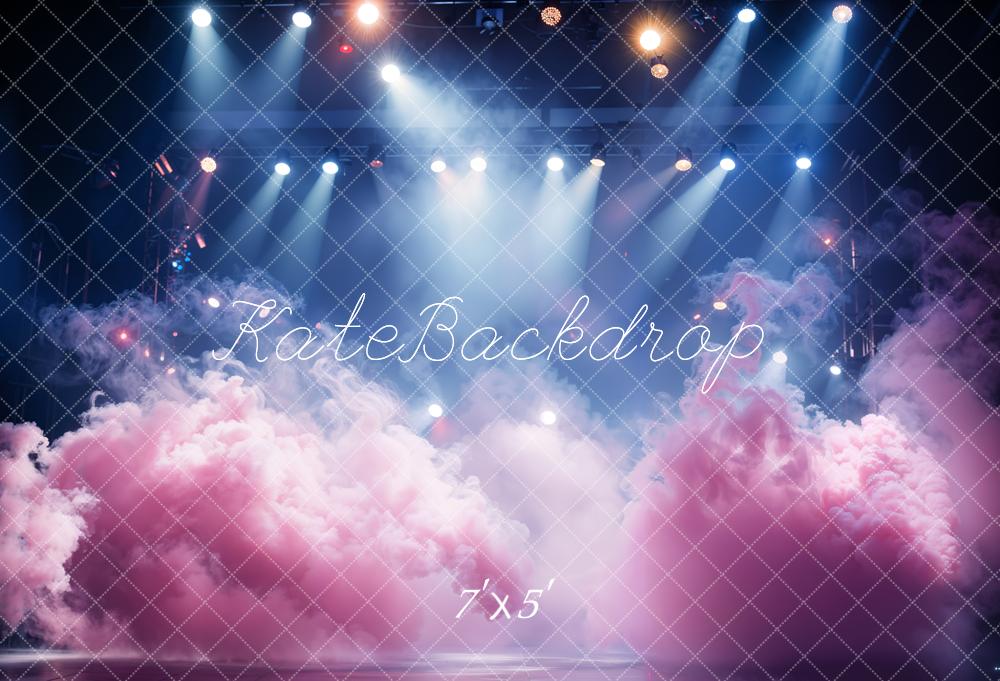
What is a stage backdrop used for?
A stage backdrop is used to create a clear visual focus for an event or performance. It helps define the mood, supports storytelling, and hides backstage elements from the audience. In theatrical settings, a proper theatre stage backdrop adds depth and enhances scene transitions. For events, backdrops for stage setups highlight speakers, branding, or décor themes. This makes the overall stage setup look polished and intentional, whether used in large venues or as small church stage backdrops.
Are stage backdrops suitable for events and performances?
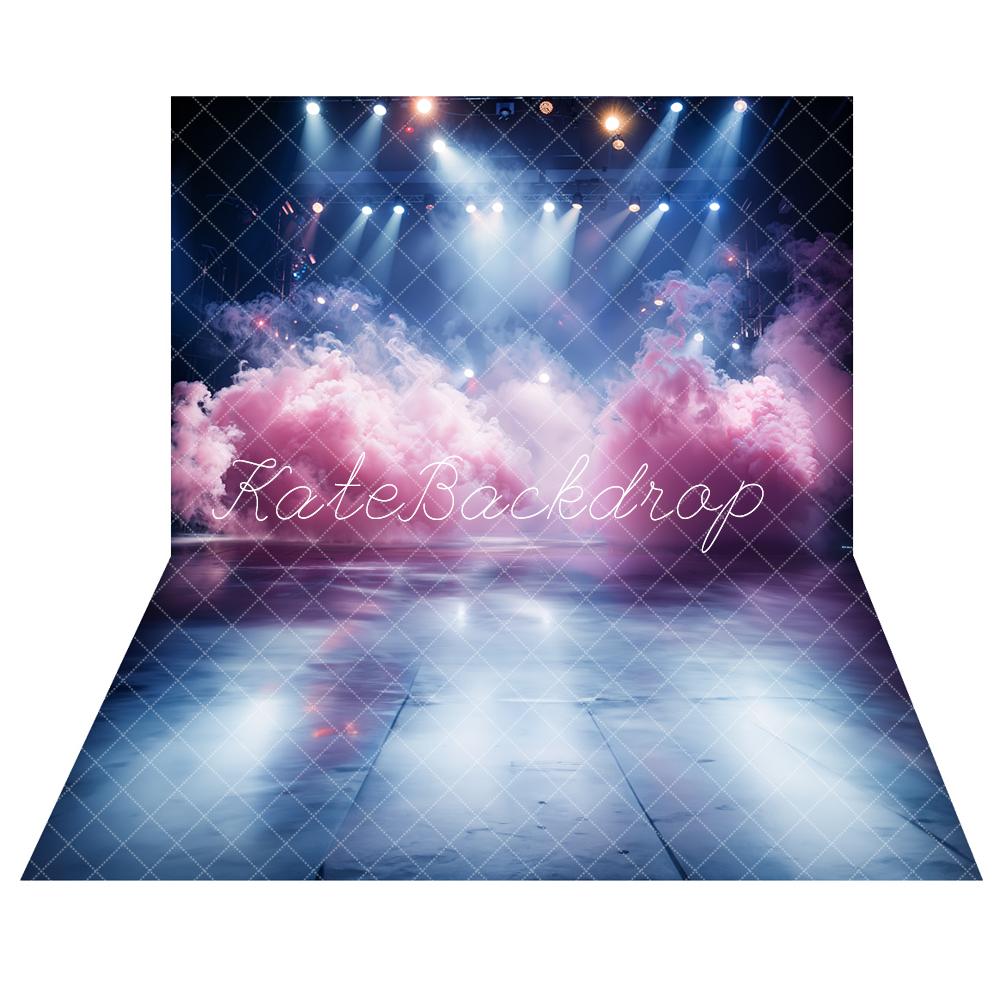
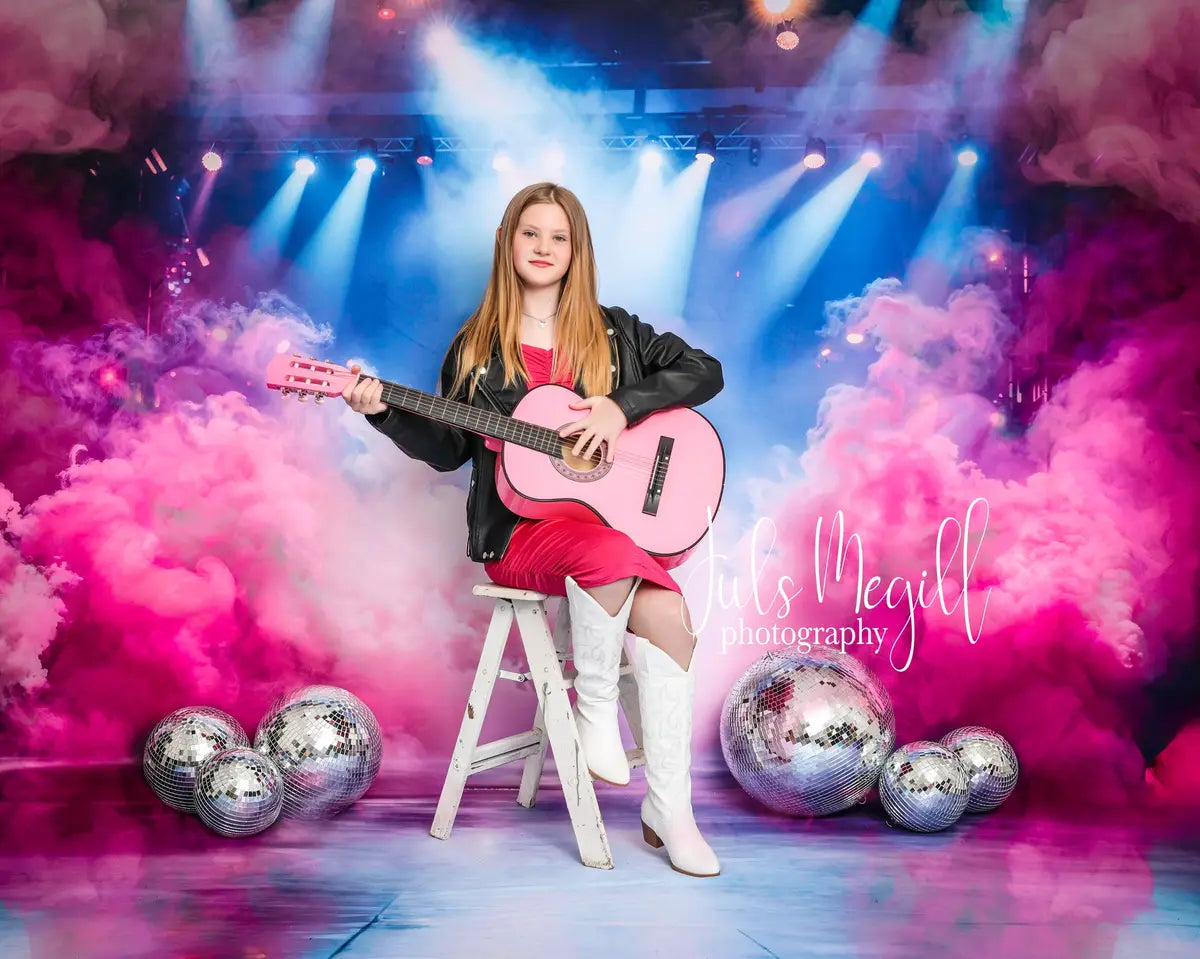
Yes, stage backdrops are considered an essential element for event decor and performance setup. They help set the performance scene, establish the theme, create visual appeal, draw the audience's attention, and enhance the whole experience for weddings, concerts, theater, conferences, and more. They're versatile, ranging from simple printed fabric to complex LED screens.
Are stage backdrops good for photography?
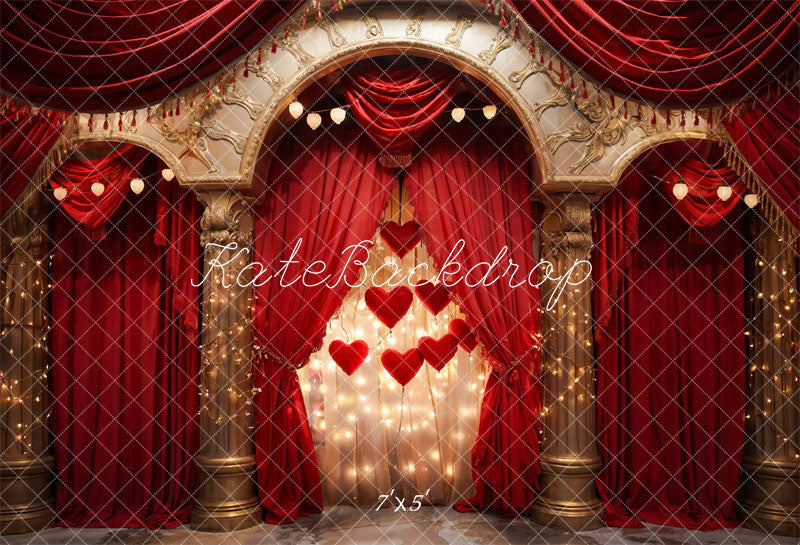
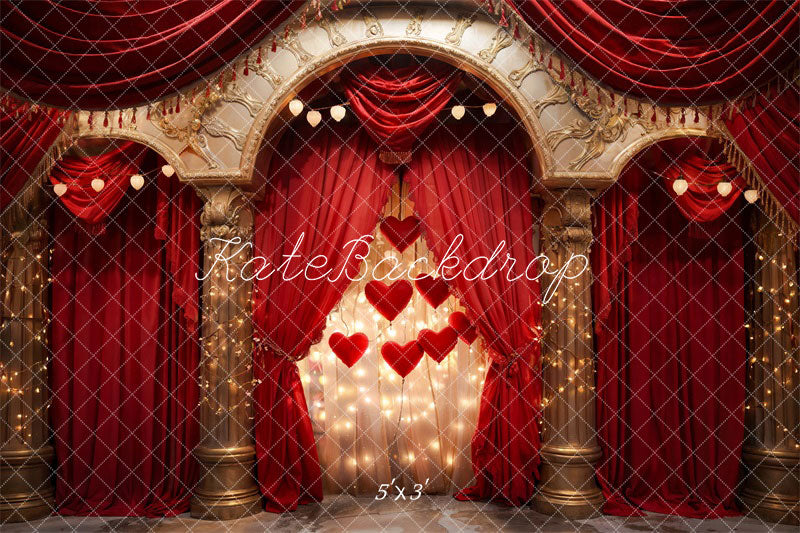
Yes, stage backdrops work very well for photography and video coverage. A clean theater backdrop, such as a Vintage Theater backdrop, reduces distractions and improves visual depth in images. They are commonly used for speaker photos, performances, and branded event content. High-quality theatrical stage backdrops ensure color consistency under lights. This makes them ideal for professional event photography.
How do you choose the right stage backdrop size?
In order to choose the right stage backdrop size, measure your space, including width, depth, and ceiling height, the number of people or subjects, the shot type (headshot vs. full body), and the venue’s scale. Go for larger dimensions for big stages and smaller ones for intimate settings, such as small church stage backdrops. This will provide the extra room to avoid cropping out important elements like props or performers.
How do you choose the right backdrop for stage setups?
Start by knowing the show’s visual needs, then measure the stage accurately, and finally select the materials that support your lighting and budget. The right stage backdrop matches the theme, designs, setting, and mood, while also ensuring the size, material, and lighting needs of the venue and performance. This creates an immersive experience, whether for stage performances, a Vintage Theater backdrop, or themed Christmas stage backdrops.
What materials are best for stage backdrops?
Fabric backdrops are the best choice for stage use. Foldable and washable fabrics, like Kate’s stage backdrop fabric, are lightweight and portable, so you can move them around easily. They resist wrinkles and don’t reflect harsh stage lights, keeping your setup looking clean. Plus, they absorb light well, so the focus stays on the stage, not the backdrop.
How do you set up a stage backdrop?
Setting up a backdrop stage starts with selecting the right support system, such as a backdrop holder, frames, trusses, or curtain tracks. Many stage drapes and backdrops are designed for fast assembly and easy alignment. Portable solutions, such as portable stage backdrop panels, work well for events with limited setup time. Proper tensioning keeps the surface smooth and professional. Always confirm venue size and safety guidelines before installation.
Can stage backdrops be reused for different events?
Yes, stage backdrops can be reused for multiple events when designed with flexibility in mind. Neutral designs, modular layouts, and adaptable graphics make stage backgrounds perfect for conferences, weddings, and performances. Many professional setups allow quick visual updates without requiring a full rebuild. Reusable theatrical stage backdrops, including Vintage Theater backdrops, also reduce long-term costs. Durable construction ensures consistent quality across repeated uses.
How to clean and maintain a stage backdrop?
Regular maintenance keeps a stage backdrop looking professional over time. Most fabric stage backdrop curtains can be spot-cleaned or gently washed, depending on the material. Always let the stage backdrop dry completely before folding or storing. Store it in a protective bag to avoid dust and creasing. Proper care extends usability for future events or rentals.






 Christmas